
Author: Simone Pittella
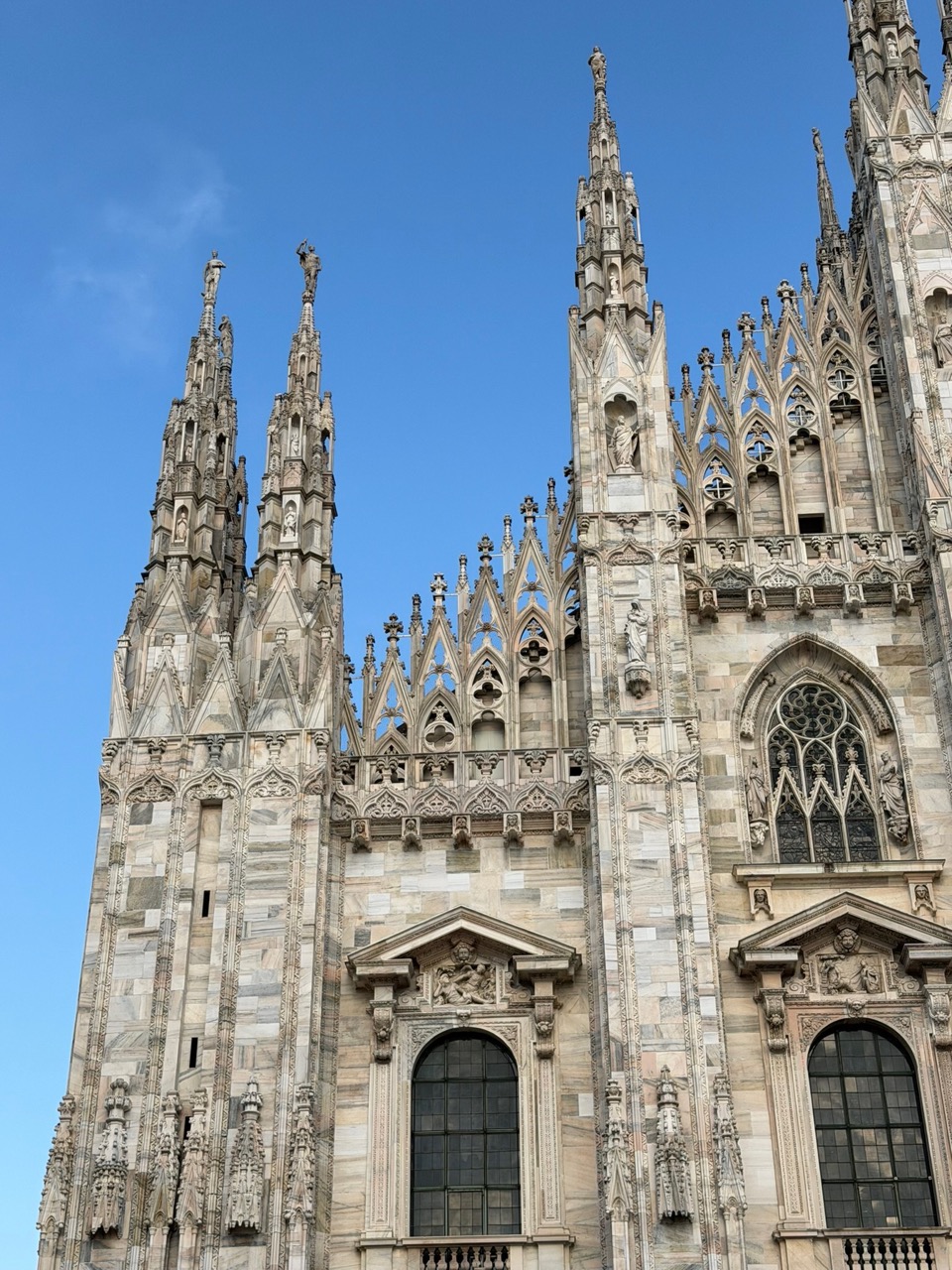
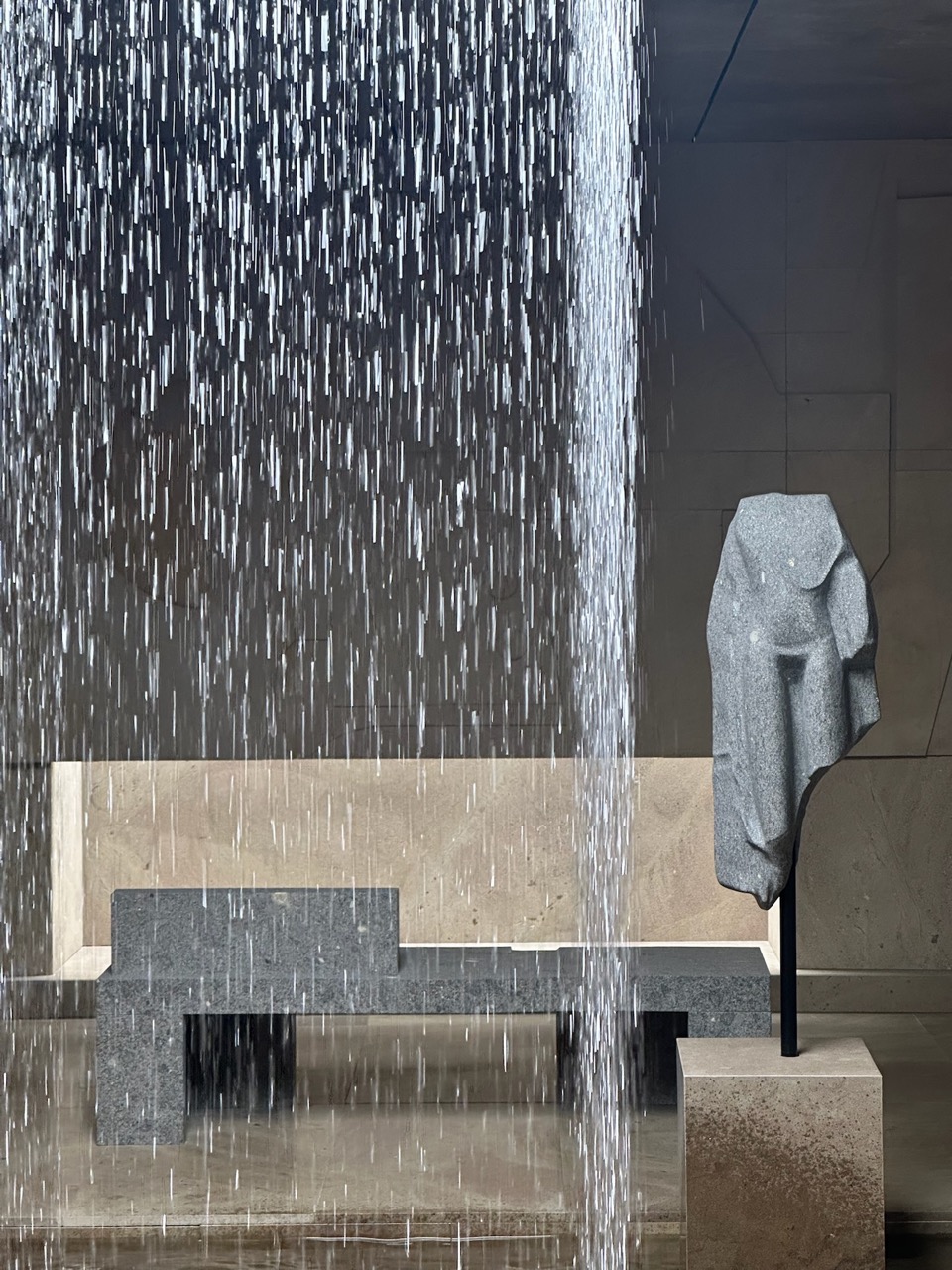
Each year, I travel to Milan for Salone del Mobile, not only to observe the global direction of design, but to reconnect with the manufacturers, designers and makers who continue to shape our industry.
For me, Milan is more than a design fair. It’s a return to the source. Pittella’s connection to Italy is not incidental; it’s foundational. Our story began in the workshops of Northern Italy, grounded in a culture of brass craftsmanship, material knowledge and a belief that function and beauty should never be separated. That legacy continues to shape how we work today.
As we mark 50 years of Pittella, returning to Milan carries a deeper significance. Our products are still made in Italy, and many of our longest-standing relationships have been built through decades of working directly with manufacturers, reviewing finishes, refining details, and understanding how products are developed at origin.
This year’s trip was an opportunity to move between the fair and the factory floor, spending time with our partners while also observing the broader direction of interiors, bathrooms, materials and architectural hardware across Milan.
Across the week, four key directions stood out.
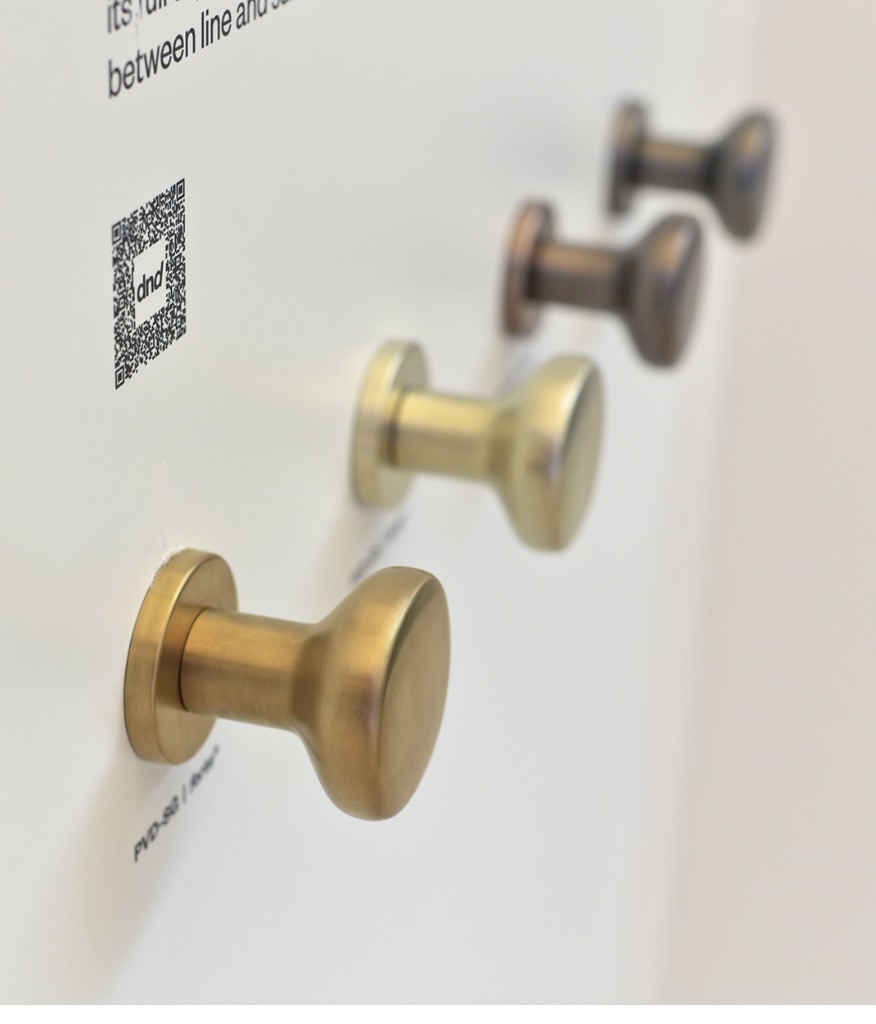
1. Hardware is becoming softer, warmer and more tactile
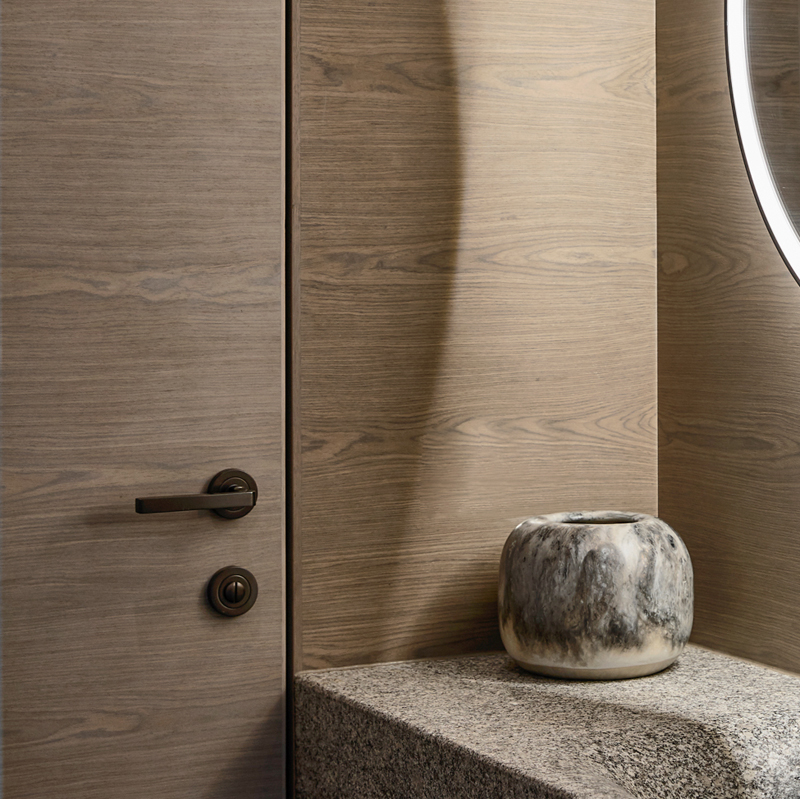
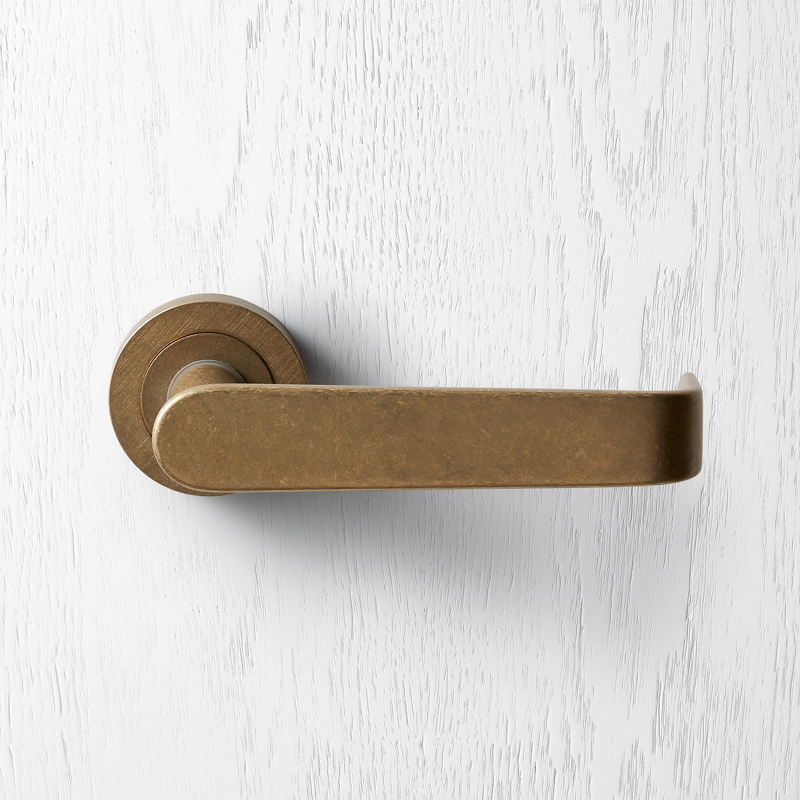
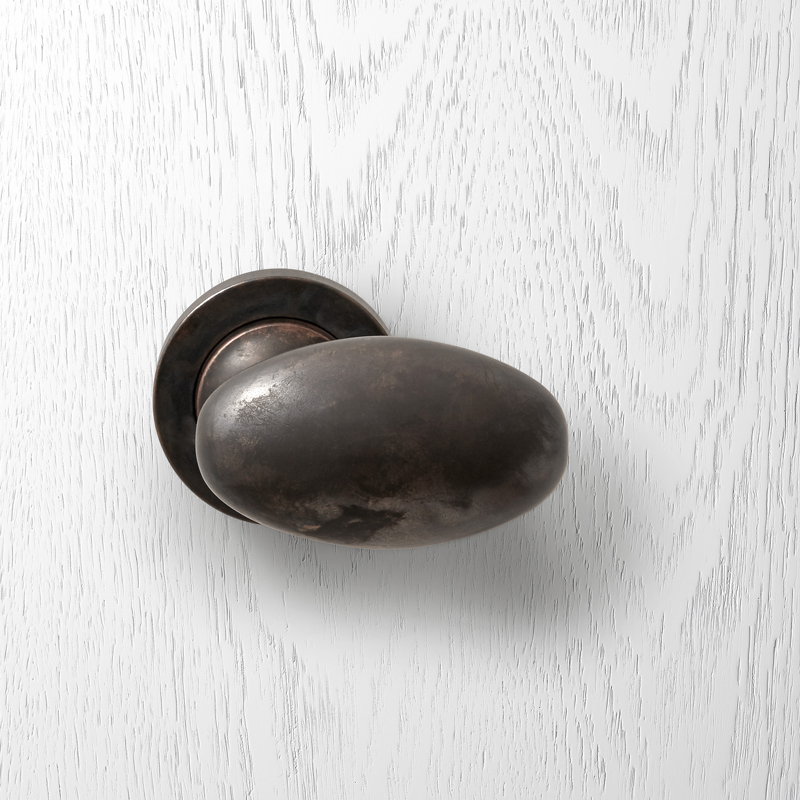
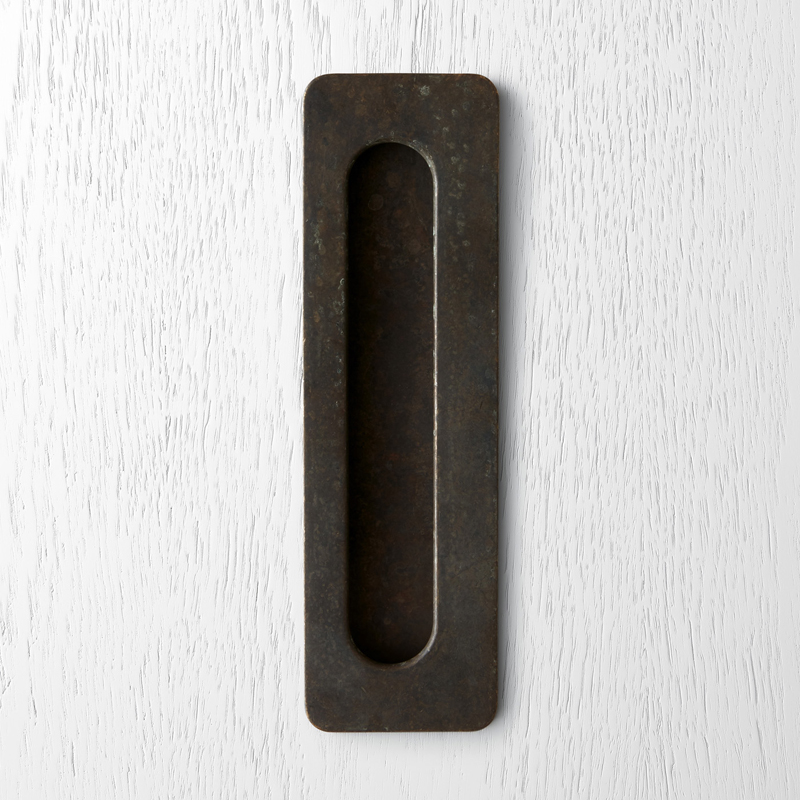
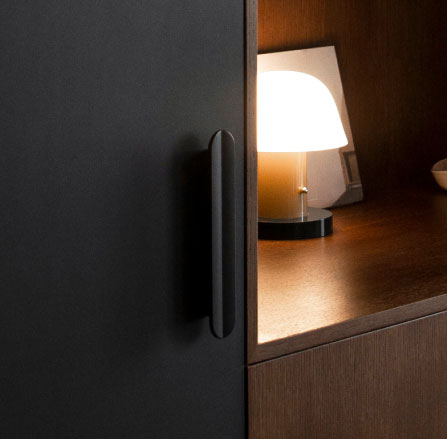
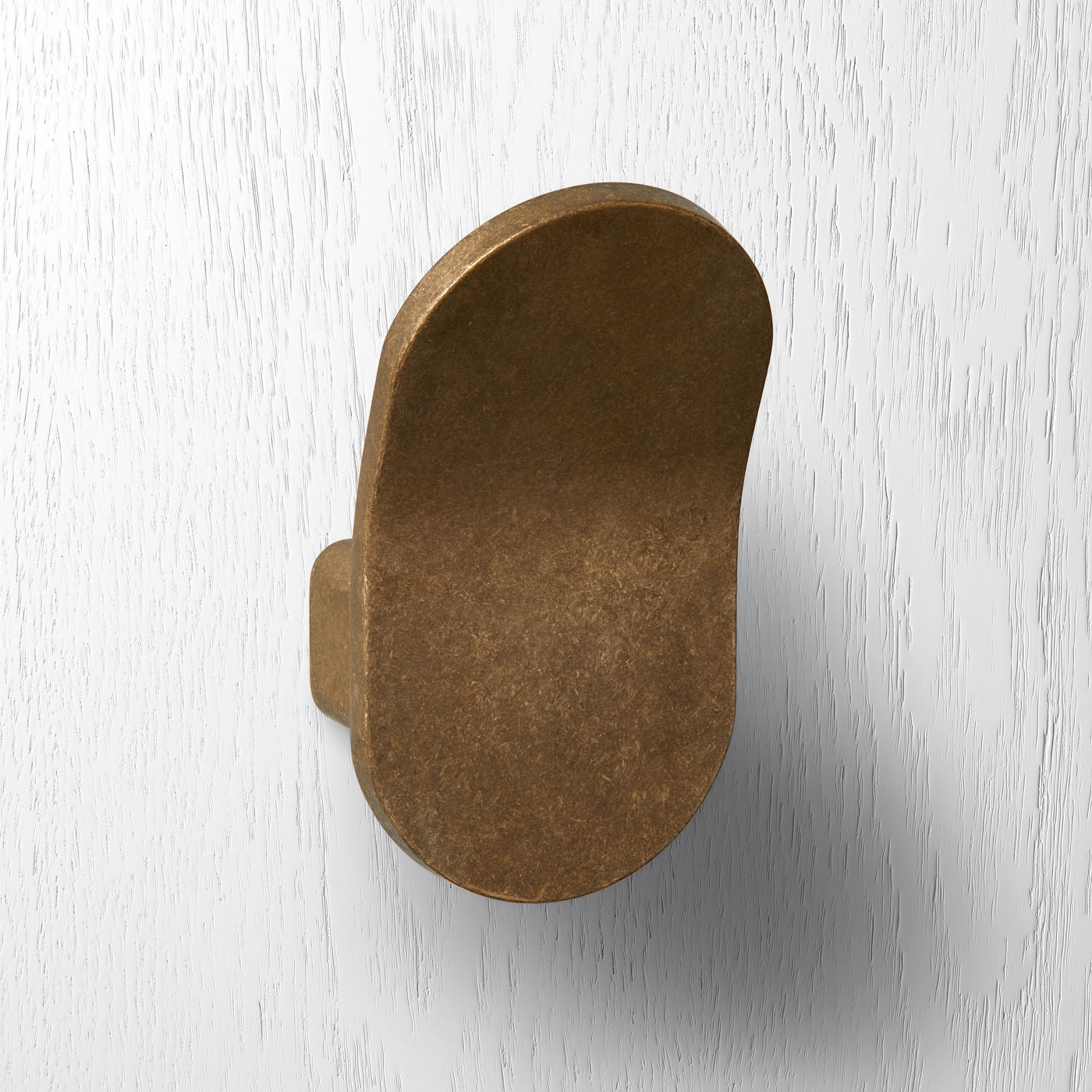
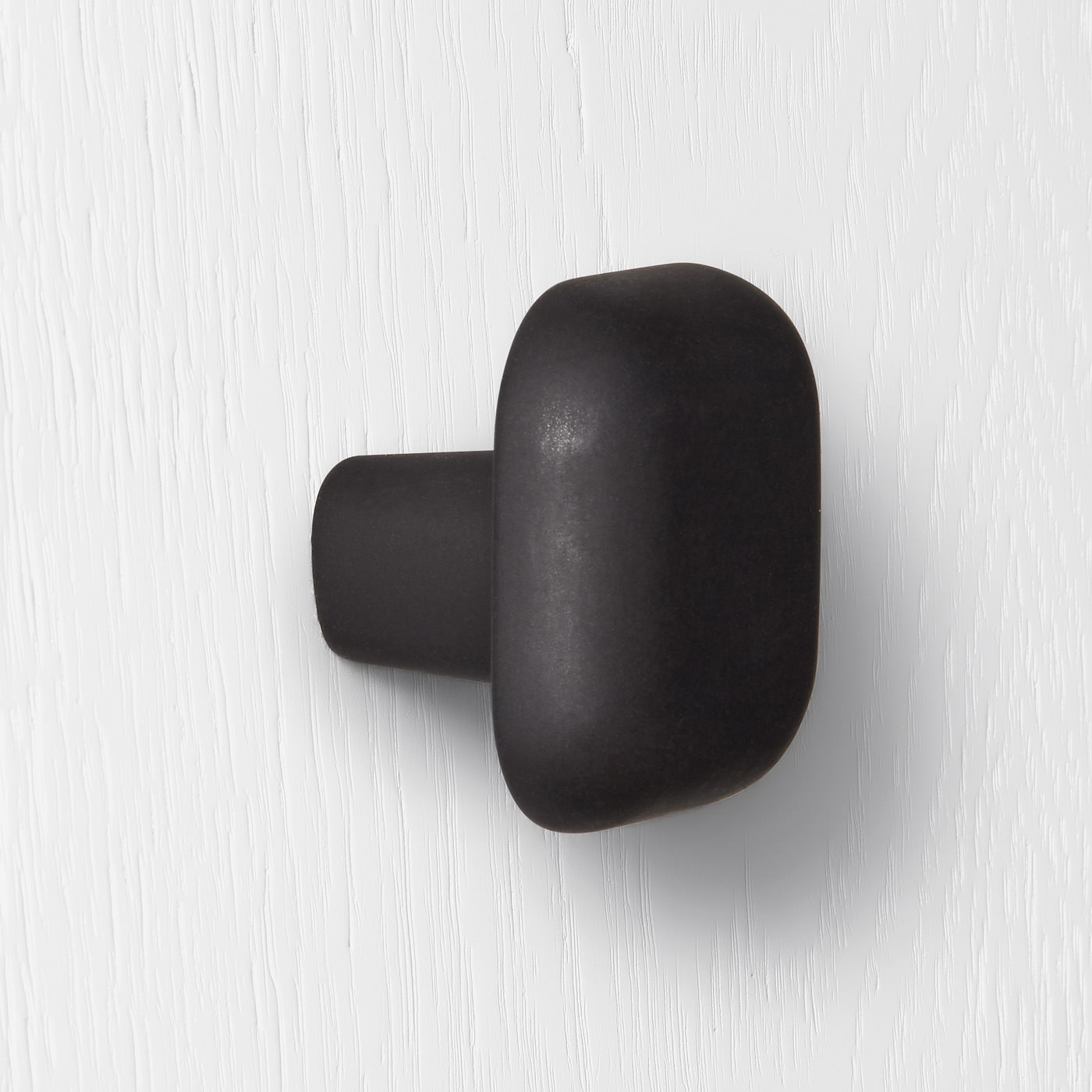
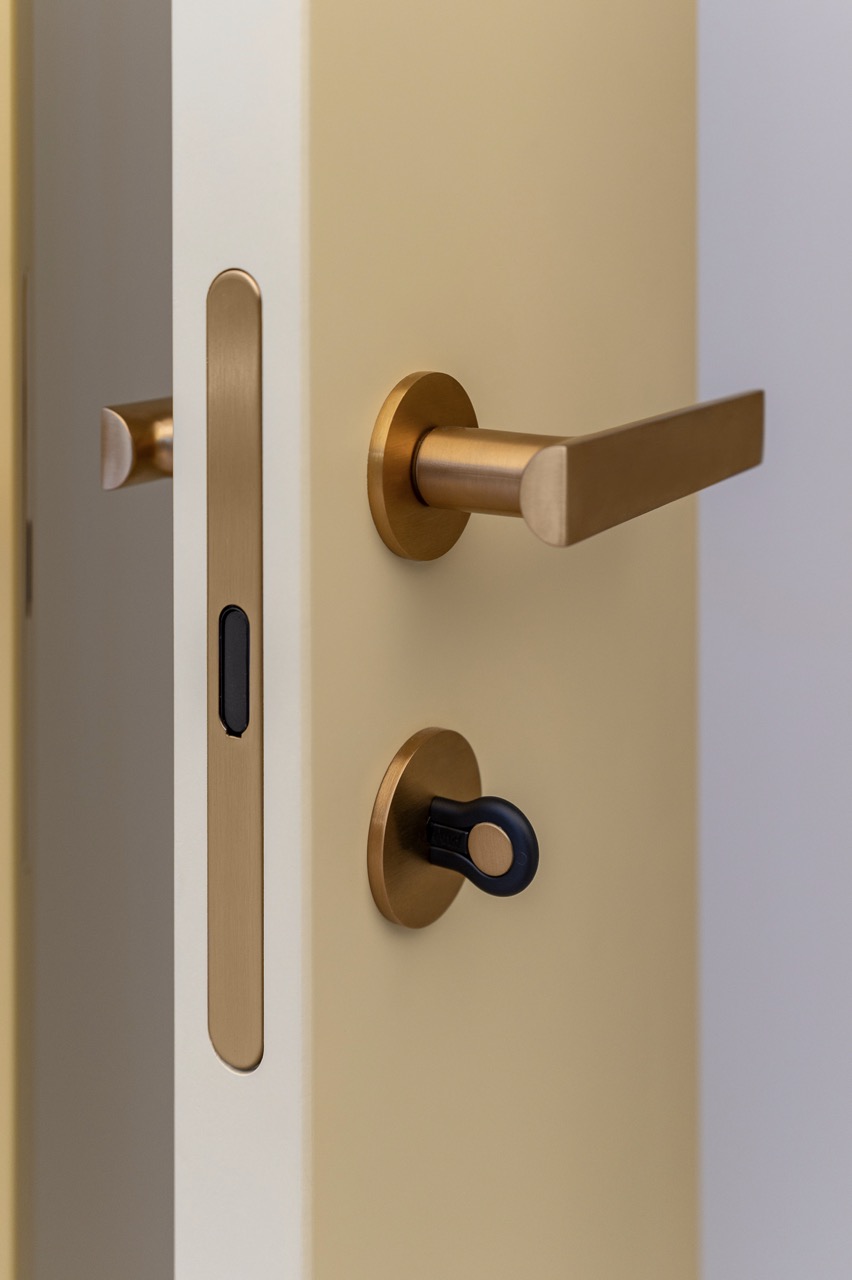
There is a clear move toward organic forms, pieces that feel sculpted rather than overly engineered. Edges are eased, proportions are more resolved, and the focus has shifted toward how a handle feels in the hand, not just how it reads visually.
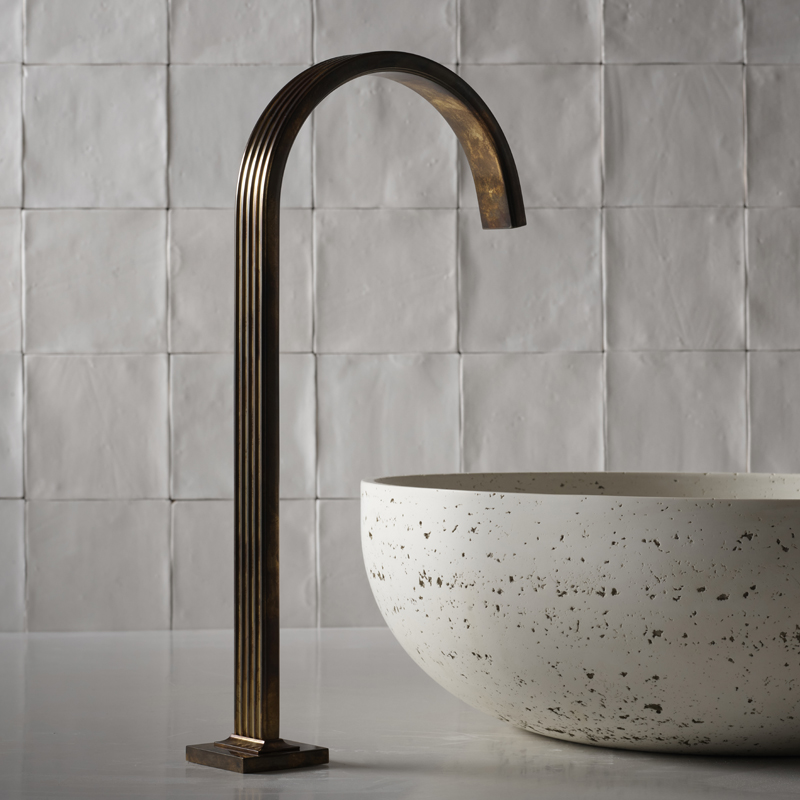
At the same time, bronze continues to grow in relevance. Warmer metallic tones sit naturally alongside stone, timber, porcelain, travertine and textured surfaces, helping create interiors that feel more grounded and enduring.
What’s notable is not just the finish itself, but how it’s being used. Bronze is less about statement and more about integration, working within a broader material palette rather than standing apart from it.
This reflects a shift we see consistently in our own work: hardware is no longer treated as an isolated element. It is part of a wider material language, where consistency, proportion and finish selection are considered across an entire project, not just at the point of specification.
2. Materiality: Natural Surfaces and Sculptural Depth
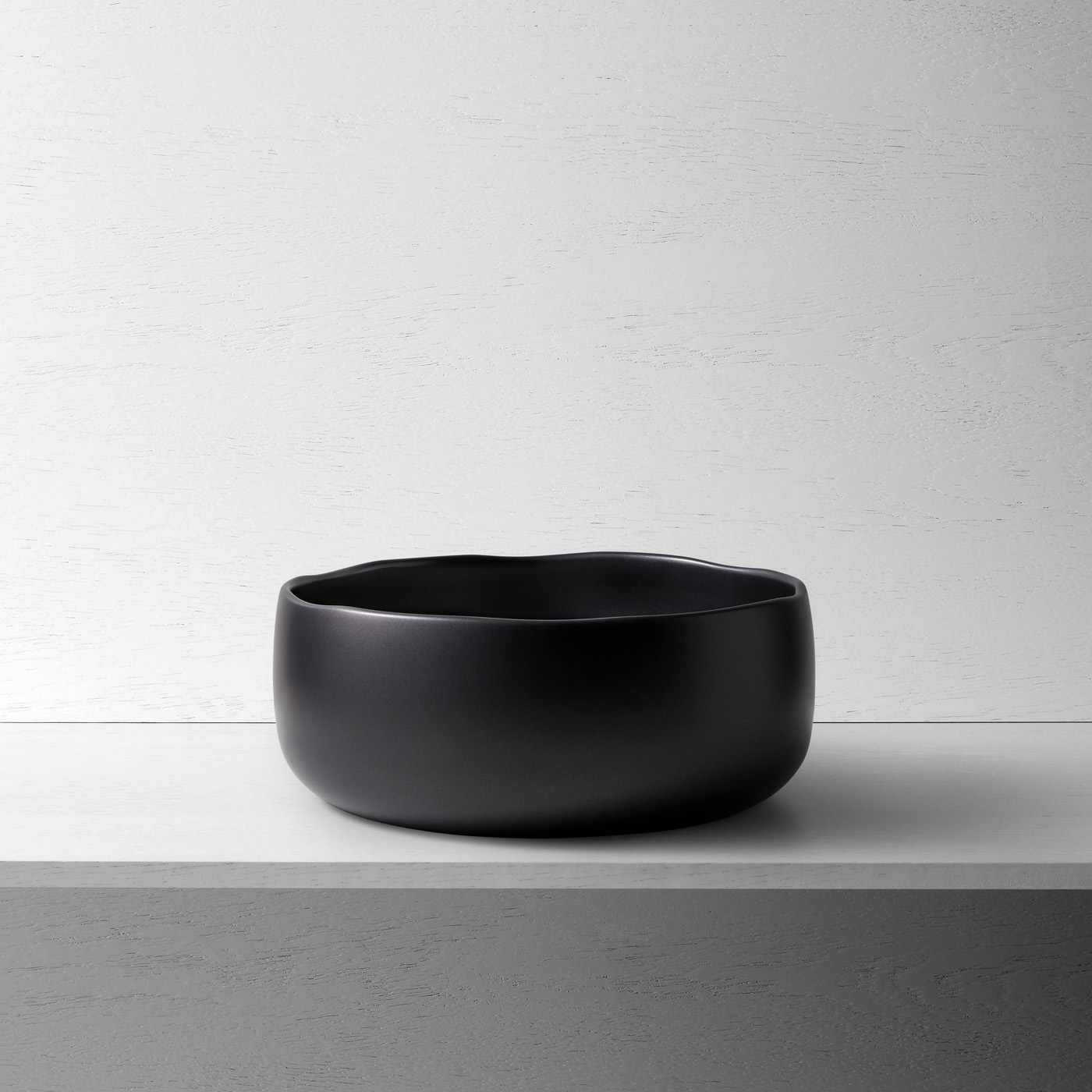
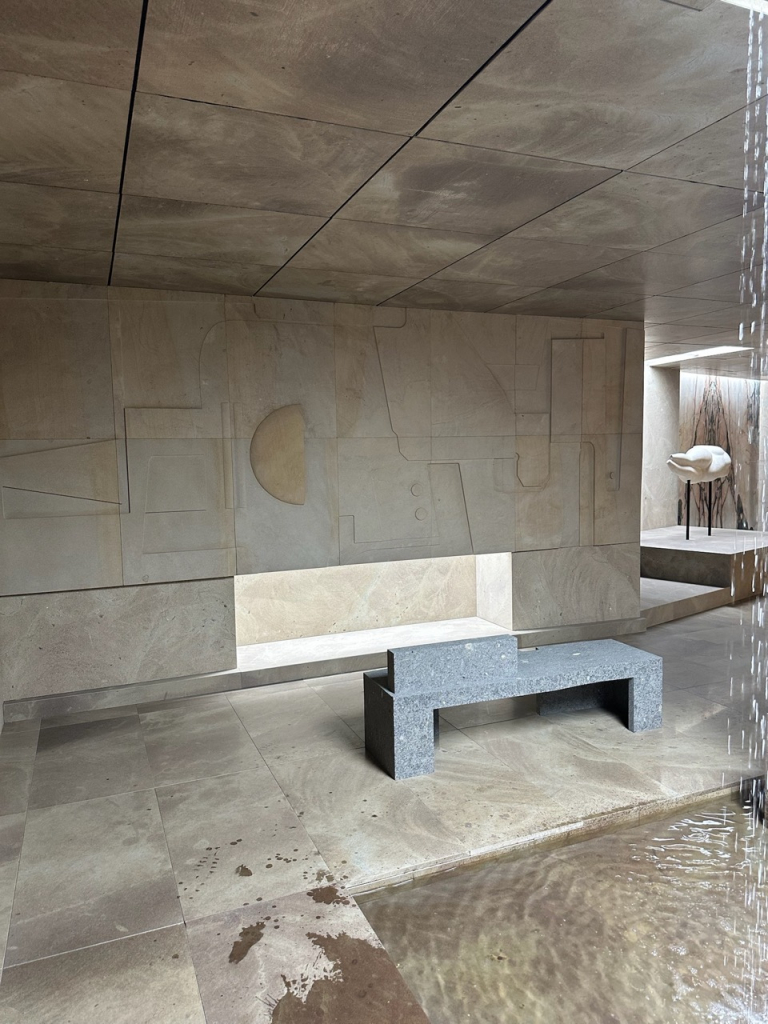
Materiality was one of the strongest messages across Milan. Porcelain, ceramics, carved marble, volcanic stone and other natural surfaces were used with greater depth and confidence. These materials appeared not just as finishes, but as structural and sculptural elements, across furniture, objects and entire interior environments.
Deep-toned marble and carved stone in particular brought a sense of weight, shadow and permanence back into interiors. Surfaces were layered, textured and expressive, often left intentionally imperfect to emphasise their origin. There was a clear move away from flat, uniform applications toward materials that carry variation, movement and tactility.
This aligns closely with how we think about product development: materials should not be applied superficially. They need to be understood, tested and resolved in a way that allows them to age well and maintain their integrity over time.
Material is no longer the background, it’s becoming the space itself.
3. Bathrooms: The Shift Toward Warmer, More Durable Finishes
Bathrooms continue to evolve from purely functional zones into more considered, architectural environments. Across Milan, these spaces felt more integrated into the overall language of the home, less clinical, more material-driven, and increasingly aligned with living spaces in tone and texture.
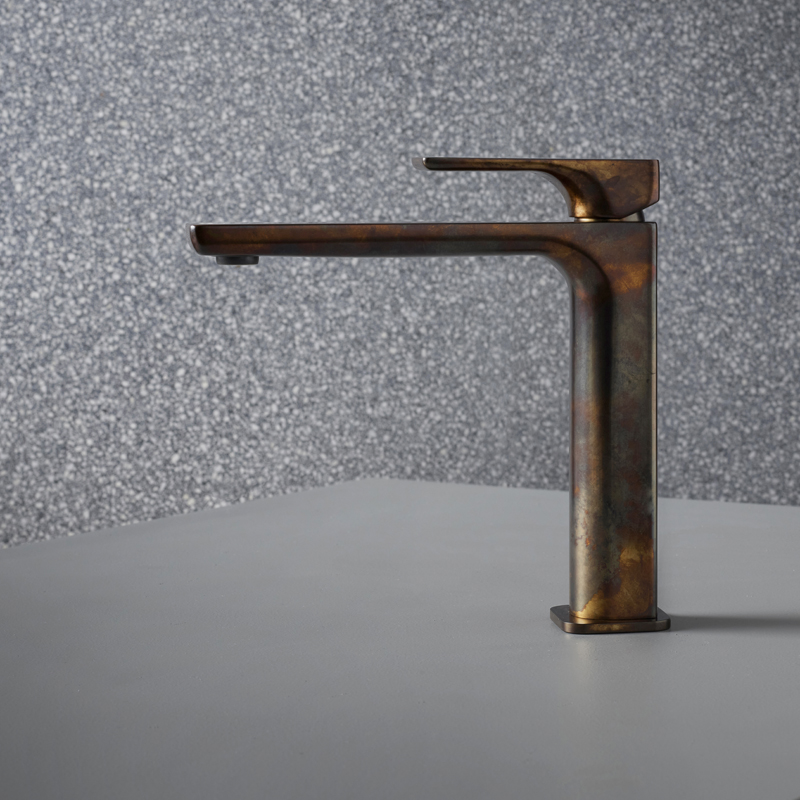
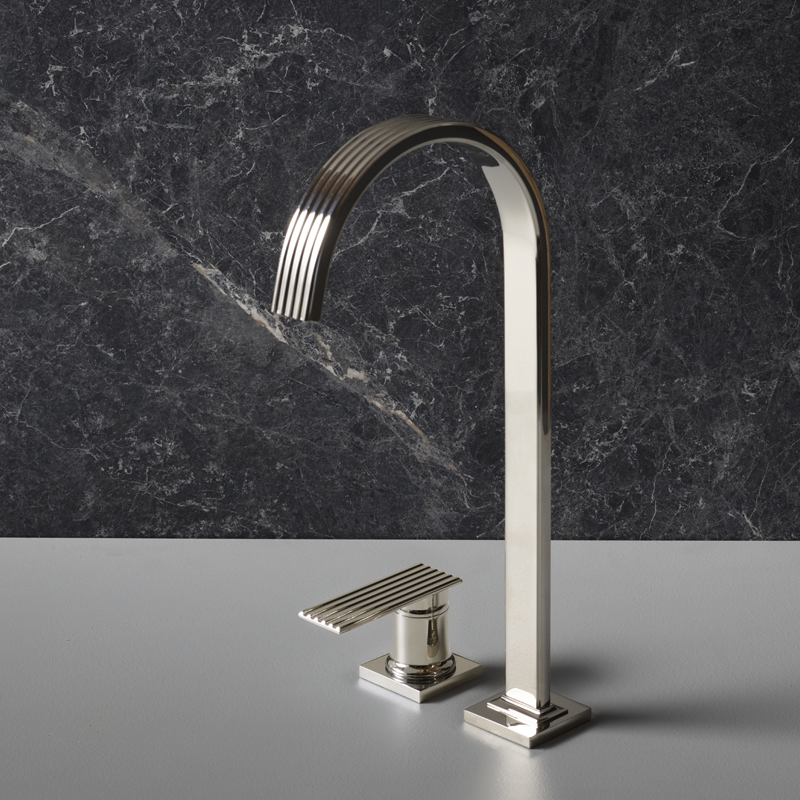
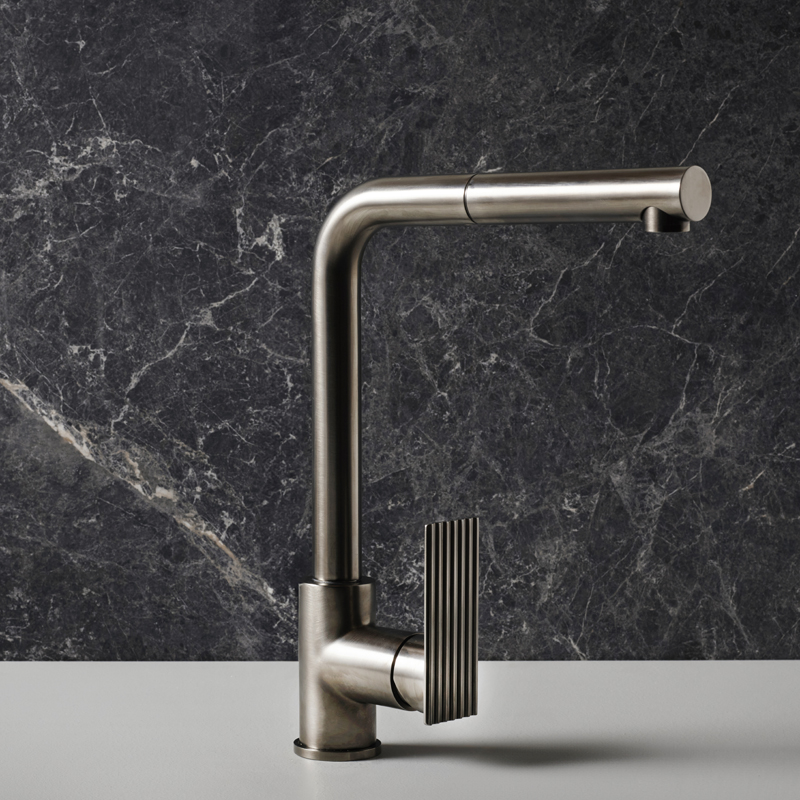
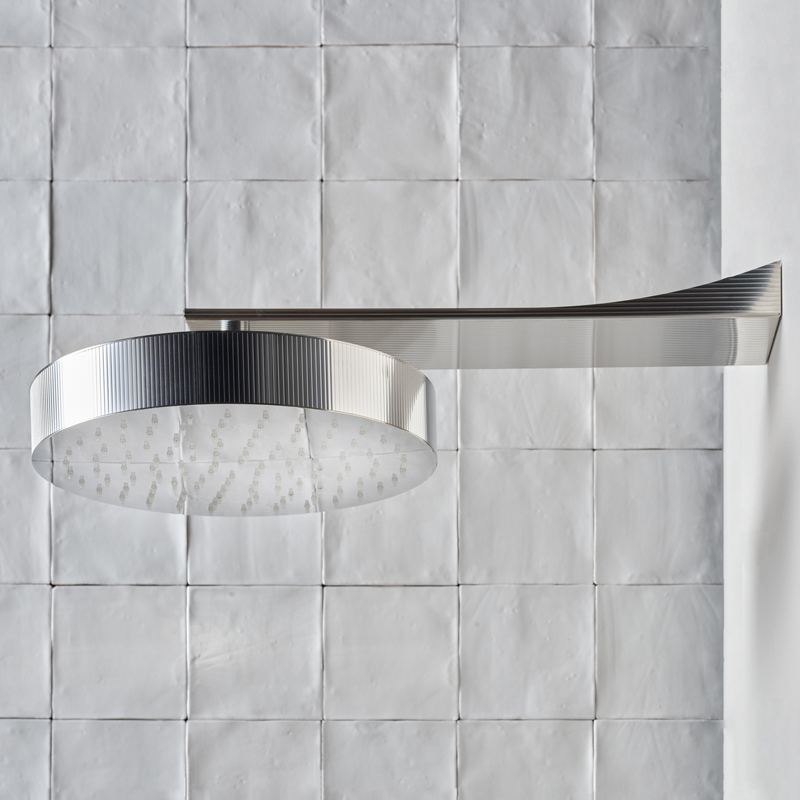
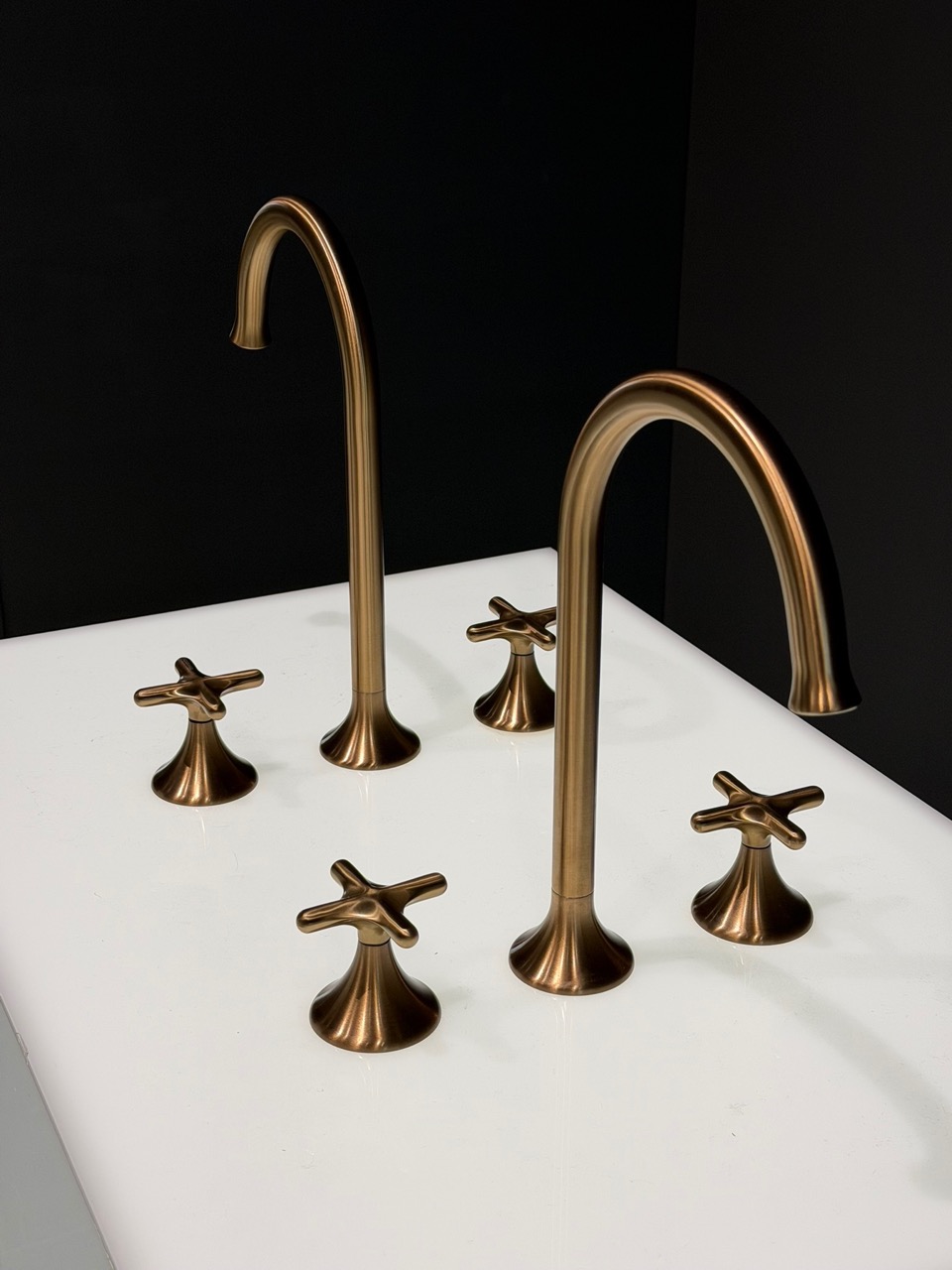
One of the clearest finish directions was the move away from standard chrome toward warmer, more refined metallic tones. In tapware, the shift toward PVD bronze feels especially relevant; not just aesthetically, but functionally.
Bathroom finishes must withstand constant exposure to water, cleaning, hand contact and long-term use. PVD bronze offers a balance of durability and refinement, maintaining its integrity while introducing warmth and depth into the space.
Finishes such as Medium Bronze PVD and Chocolate Bronze PVD point to a longer-term direction, one that aligns closely with our own focus on supplying finishes that are not only visually considered, but technically suited to high-use environments.
4. Technology in Hardware: Invisible Performance
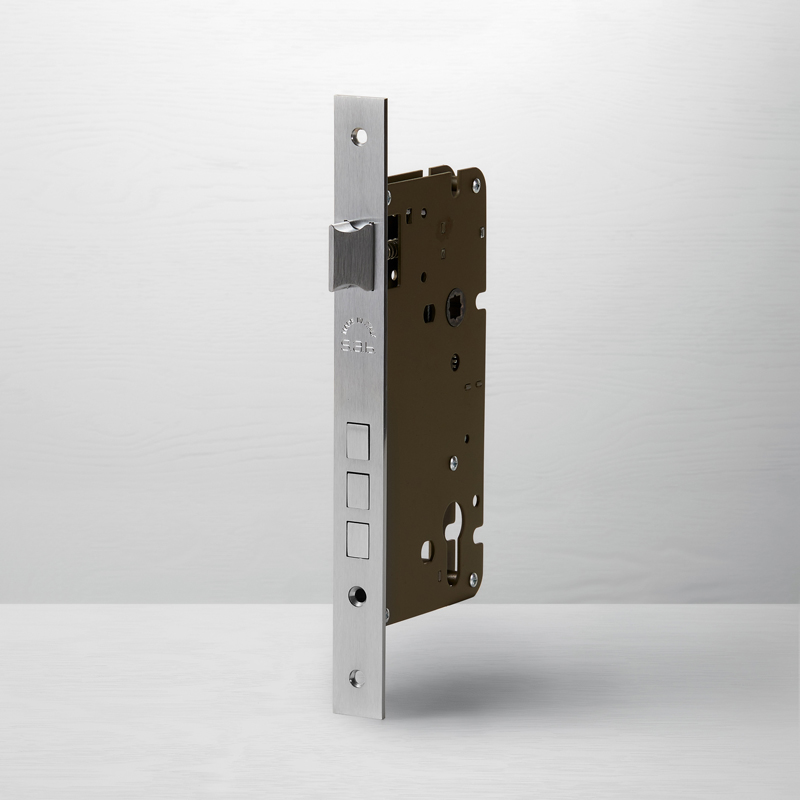
The next evolution in hardware isn’t about making products look more technical, it’s about making performance more seamless. Magnetic locking systems, integrated privacy functions and increasingly refined door jamb details all point to a quieter kind of innovation. The emphasis is on removing visual noise while improving the overall user experience.
In bathroom and privacy applications, this means moving away from protruding elements and visible mechanisms, and toward cleaner, more resolved openings that sit comfortably within the architecture.
This is where hardware becomes part of a larger system rather than a standalone product, something we place significant importance on when working with architects and designers to ensure consistency across a full door schedule.
The best technology is often the kind you barely see… but experience every day.
On the Ground: Manufacturing, Process and Craft
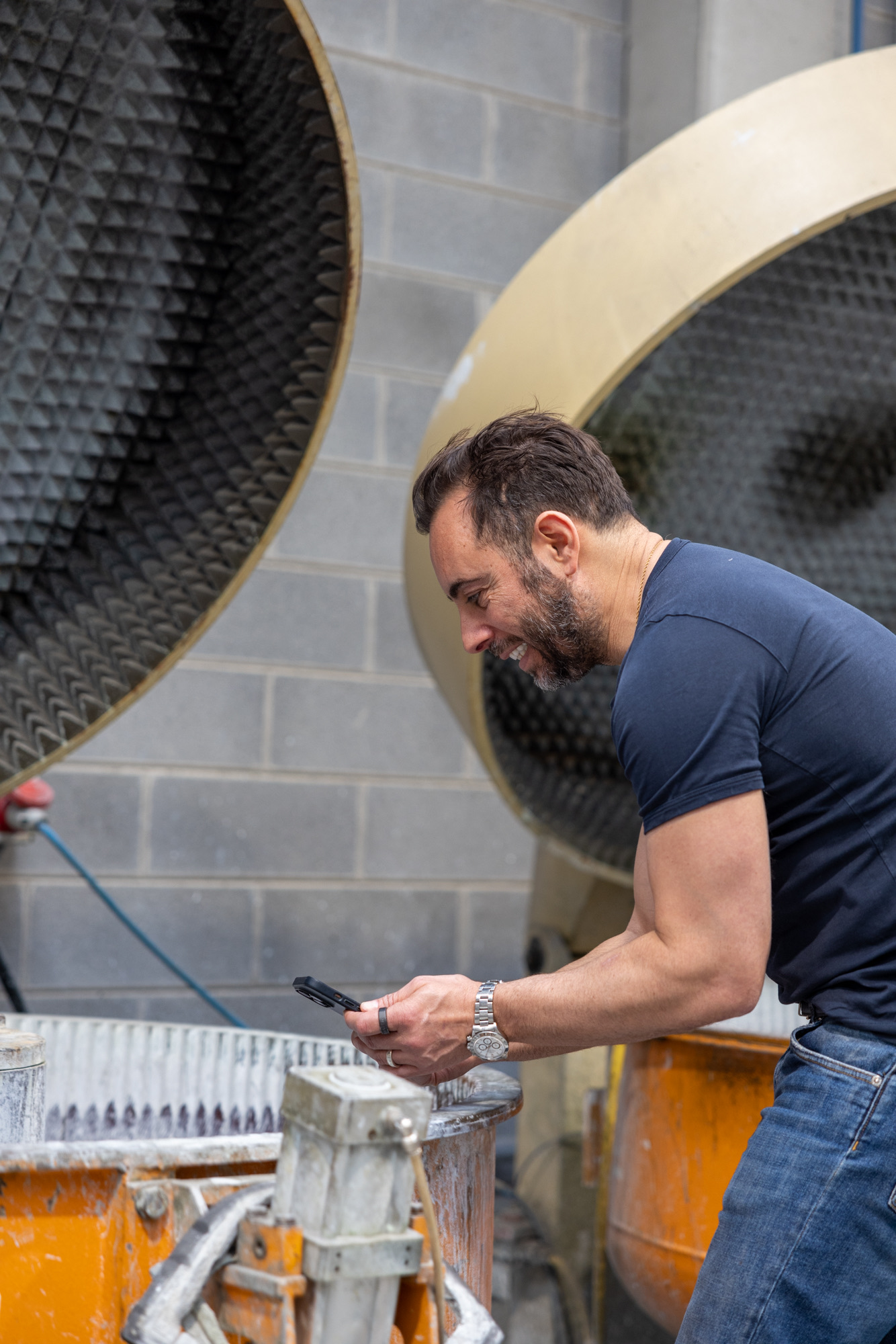
Ahead of Salone, I spent time in Northern Italy with our manufacturing partners, moving between workshops, foundries and factory floors, working through the details that sit behind each product.
This part of the trip is essential.
It’s where material decisions are made early, how brass is formed, how finishes are applied, how surfaces are aged, and how each component is resolved before it reaches a project. These processes are shaped by decades of knowledge, often refined through incremental improvements rather than large-scale change.
Our relationship with these manufacturers is long-standing, built on continuity, shared standards and a deep understanding of how products need to perform over time, not just how they look when first installed.
It reinforces something we value strongly at Pittella: proximity to manufacturing leads to better outcomes. It allows for a level of control, collaboration and refinement that can’t be achieved at a distance.
Good design doesn’t end at concept. It’s defined by how something is made, how it performs, and how it ages.
At Salone: Dnd and the Importance of Resolution
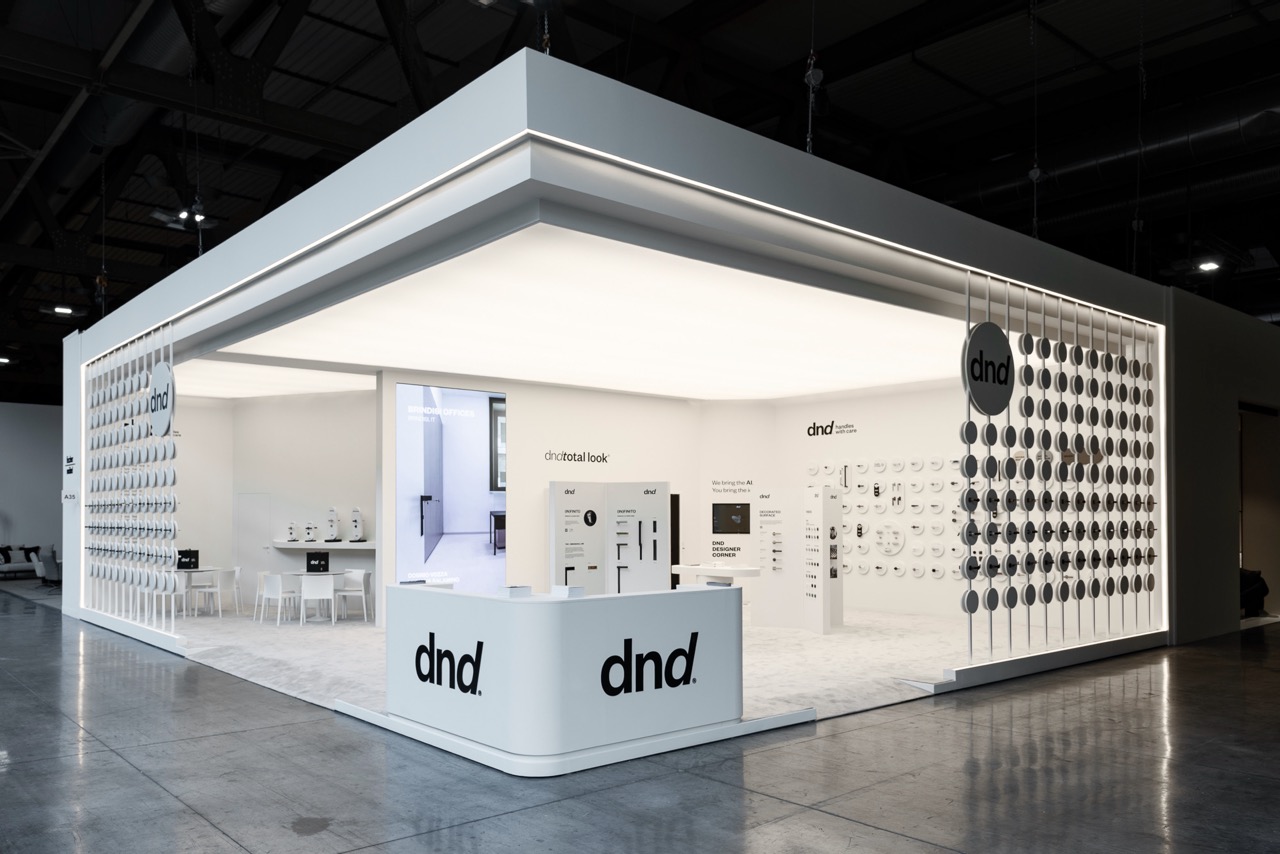
At the Dnd stand, we spent time reviewing finish direction, surface texture and how small adjustments in geometry translate into comfort and longevity on real doors.
The stand itself was minimal and material-led, designed to let finishes speak under the right light. In person, the details do the work. Light, texture and profile shift the perception of a product entirely.
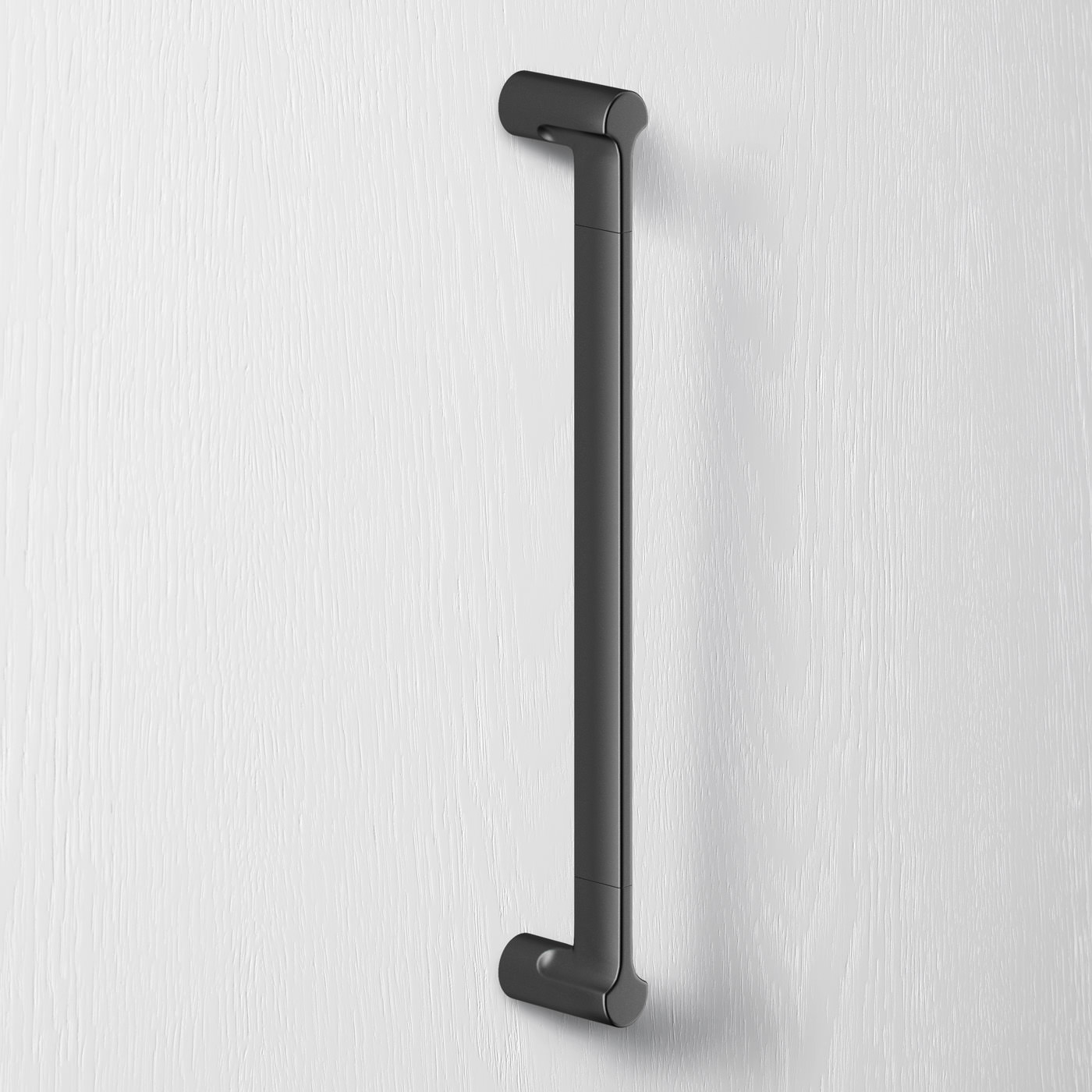
It’s also a reminder that the “right” handle is rarely about a single hero piece. It’s about selecting a cohesive family, one that remains consistent across a schedule, feels right in-hand, and supports the design intent from room to room.
This idea of consistency across a project is something we work closely on with our clients, ensuring that every touchpoint, across every space, feels considered and resolved.
Beyond the Fair: Installations and the Role of Atmosphere
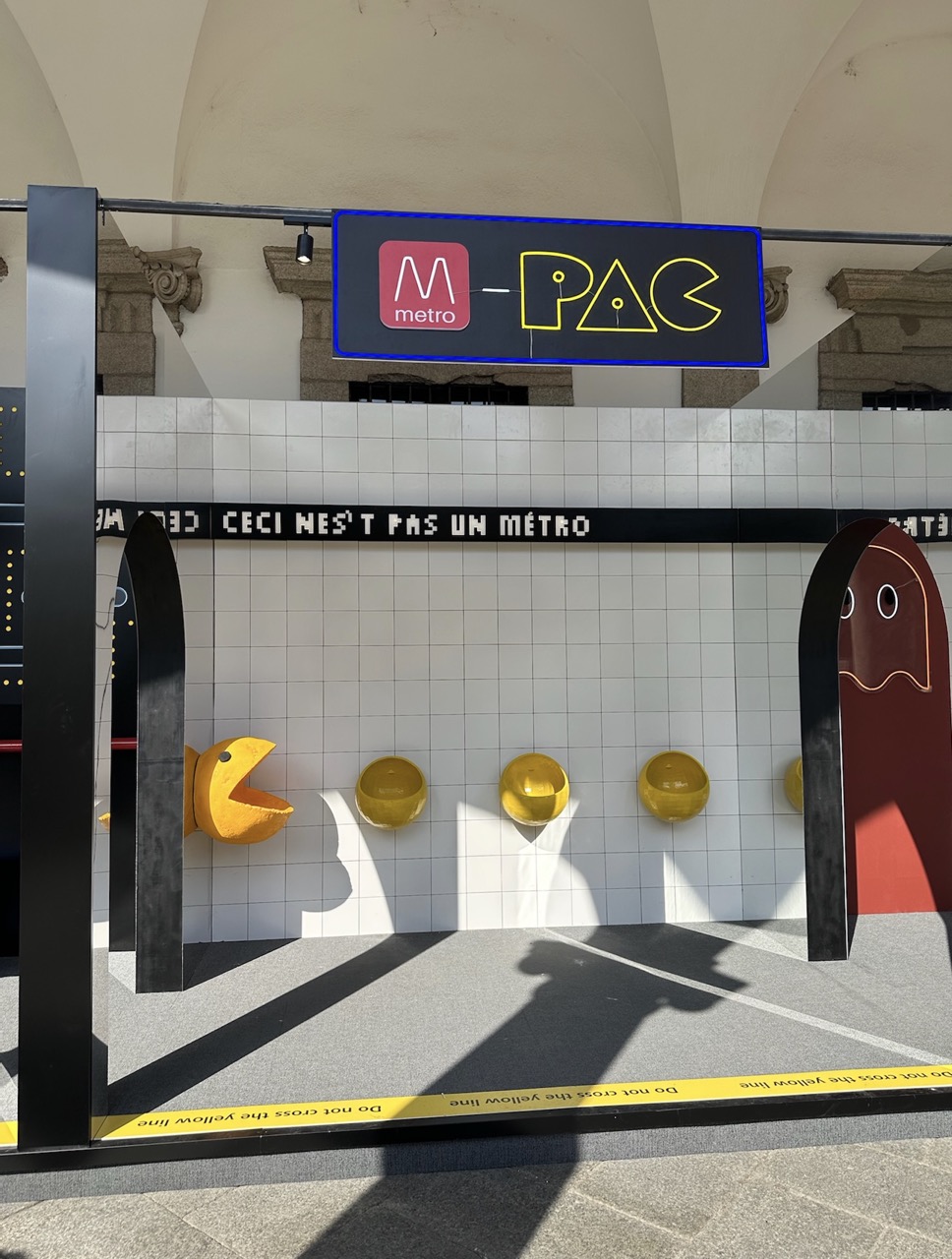
Milan distinguishes itself through installations that explore design at a different scale, less about product, and more about experience and spatial impact.
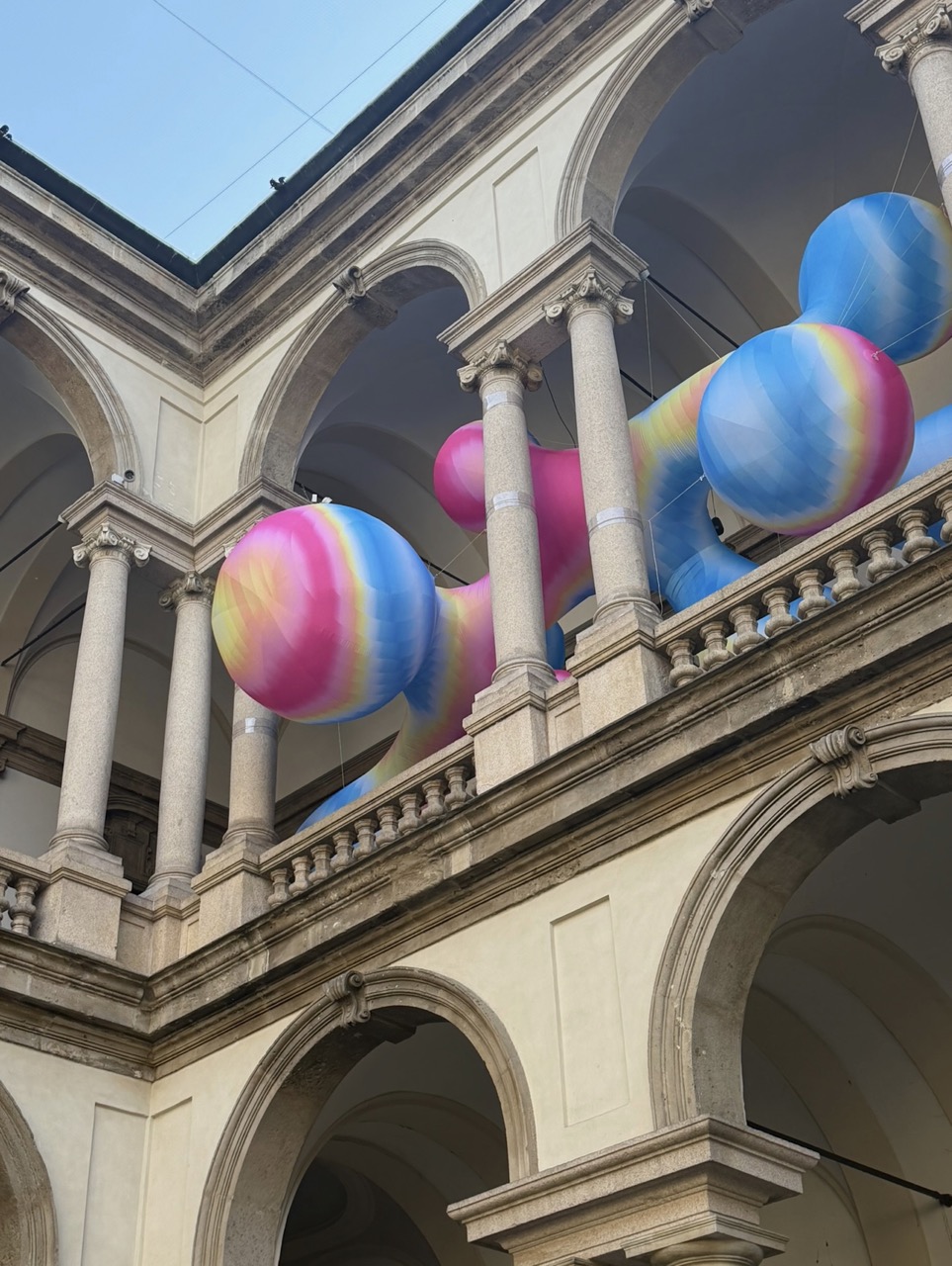
Across Fuorisalone, temporary interventions transformed courtyards and public spaces, testing ideas around material, form and interaction in ways that sit outside commercial constraints.
Textile installations introduced softness and movement at architectural scale, while projects like Metro-PAC brought a sense of play into the city. In contrast, sculptural works such as Wild Kong and Icosaedro explored monumentality within historic settings.
More sensory installations, including Serotonin – The Chemistry of Happiness and Keep Your Bubble, used soft forms and recycled materials to create immersive, responsive environments. Projects like L’Anello Mancante sat between installation and architecture, integrating material, light and movement at scale.
While not directly translatable into specification, these works play an important role in shaping direction, testing ideas that often filter into more permanent applications over time. They reinforce a broader shift seen across Milan this year: design moving toward environments that are felt as much as they are seen.
My Final Reflection
What stayed with me most this year was the move toward warmth, tactility and resolution.
Across hardware, materials, bathrooms, technology and installation design, the direction is clear: spaces are becoming more considered, more enduring, and more human.
For us, it reinforces an approach we’ve always believed in; prioritising material integrity, long-term performance, and cohesive systems over short-term trends.
Less decoration. More atmosphere.
Less visibility. More performance.
Less trend. More material honesty.


