
Author: Charlotte Pittella
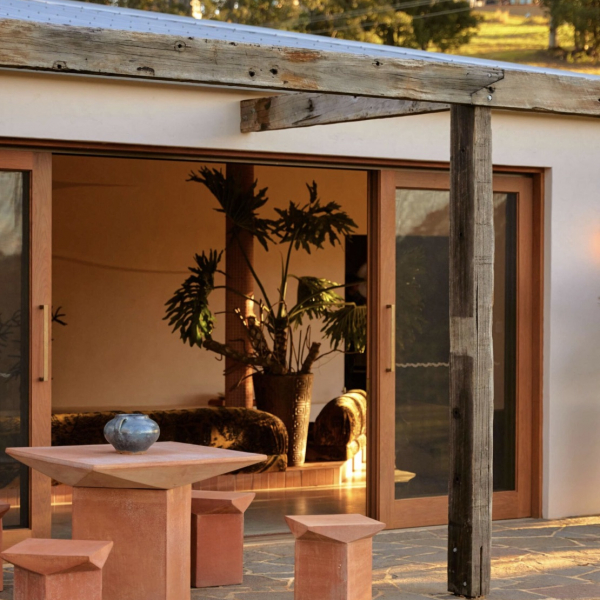
Design-led hardware for hospitality, retail and premium residential interiors
Accessible door hardware has traditionally been approached as a functional requirement first and a design decision second. This can leave architects and interior designers selecting from a narrow range of familiar forms – products chosen because they respond to the technical requirements of an opening, but not necessarily because they belong within the architectural language of the project.
At Pittella, we approach the selection differently.
Our collection brings together door pulls and lever handles developed for accessible applications, supported by coordinating hardware across entrance, passage, privacy, sliding-door and joinery conditions.
The objective is not simply to offer more products. It is to give designers a meaningful choice of form, material and finish, supported by the technical coordination required for each opening.
Consideration of the complete opening
Accessible hardware should be considered early in the design process, particularly where a door forms part of a required accessible path of travel.
The selected handle is only one component of an accessible doorway. Door circulation space, clear opening width, operating force, hardware location, grip and clearance must all be considered alongside the lock, closer, door construction and surrounding architecture.
Resolving these conditions early provides the project team with greater design freedom. The hardware can form part of the original architectural concept rather than becoming a late substitution after the door schedule, material palette and interior details have already been established.
“Accessible hardware should not look like a compromise. Our focus is to begin with a hero piece that belongs within the interior, then coordinate the wider door set so the design language remains intact.” — Simone Pittella
Accessible hardware with a distinct design identity
Our accessible selection includes a range of silhouettes, allowing the hardware to respond to the character of the architecture rather than directing every project towards the same solution.
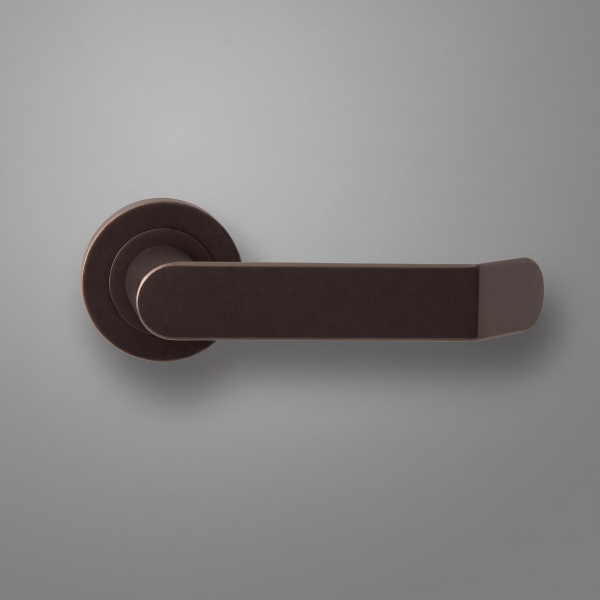
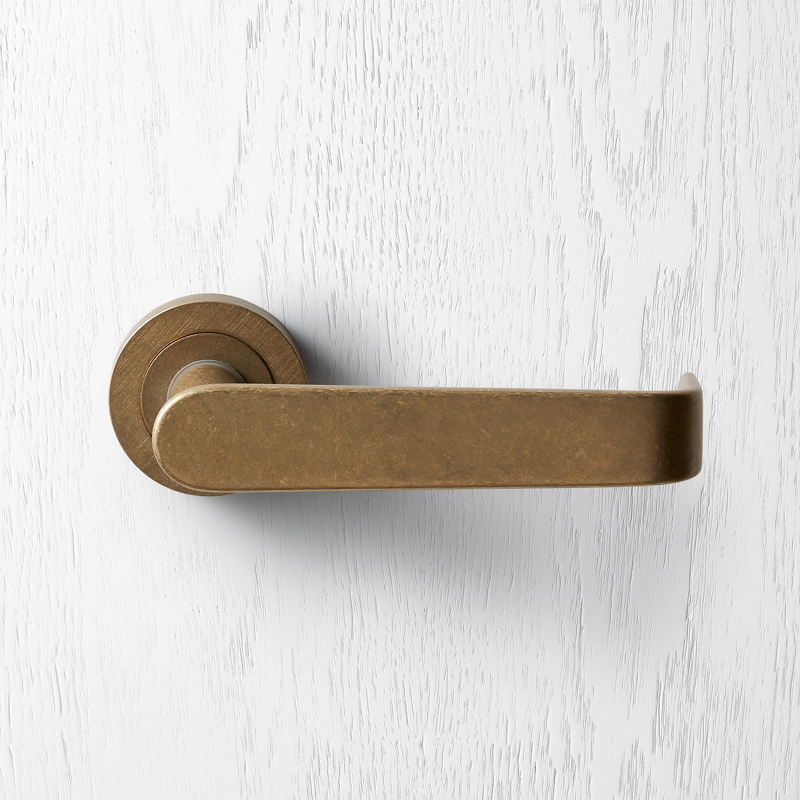
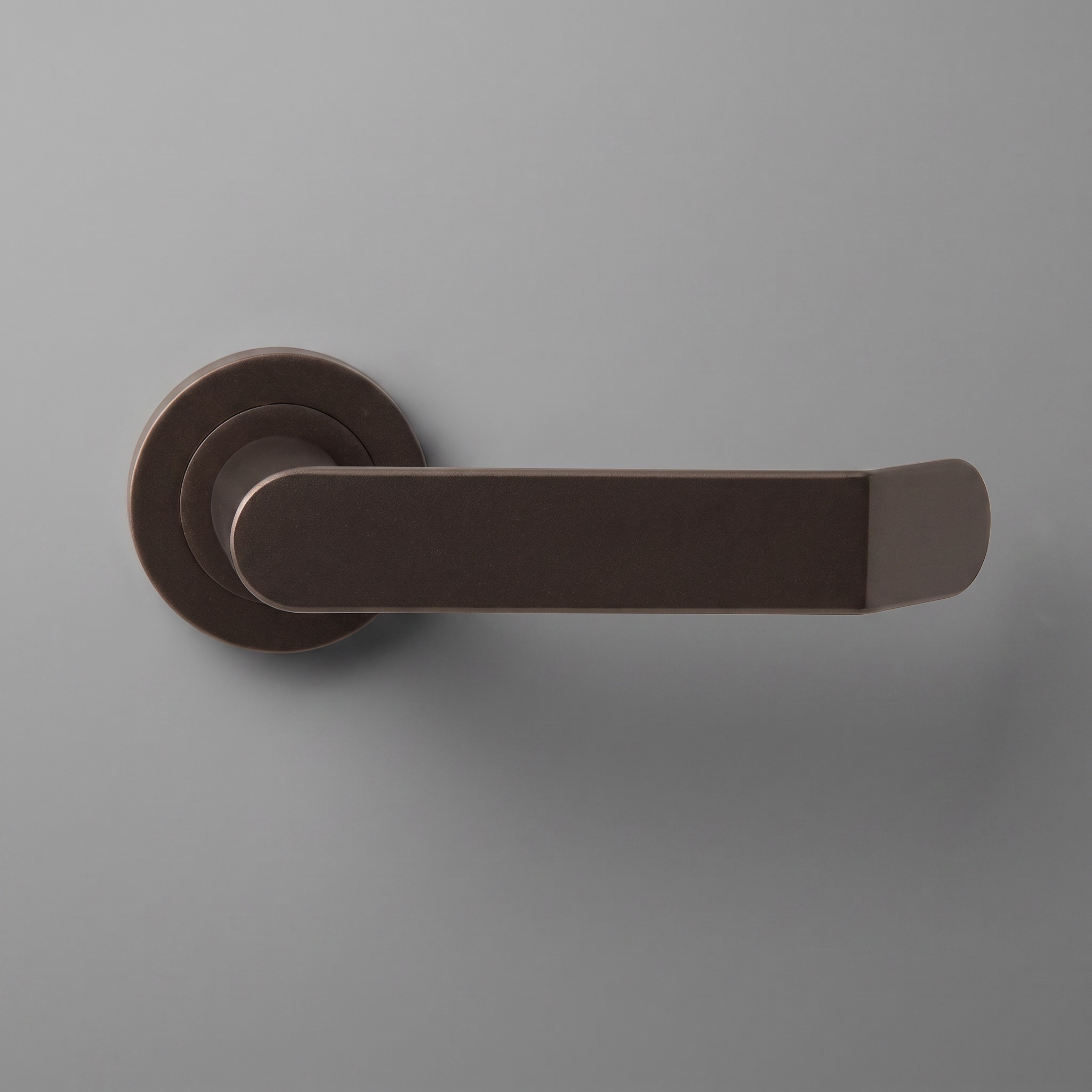
Maralina Lever Handle
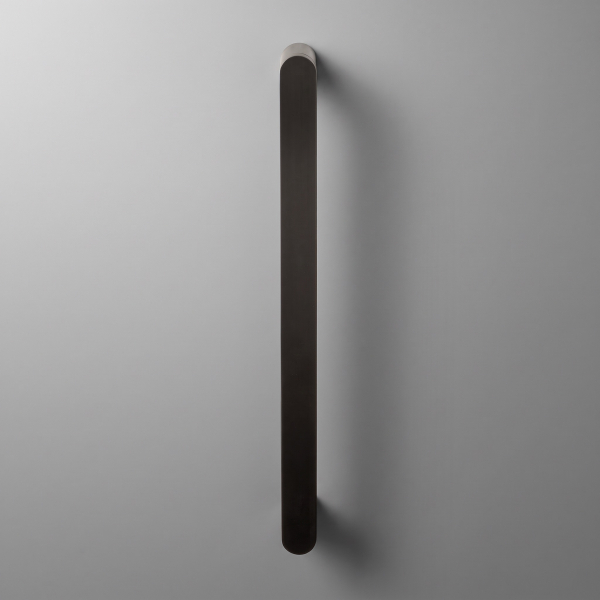
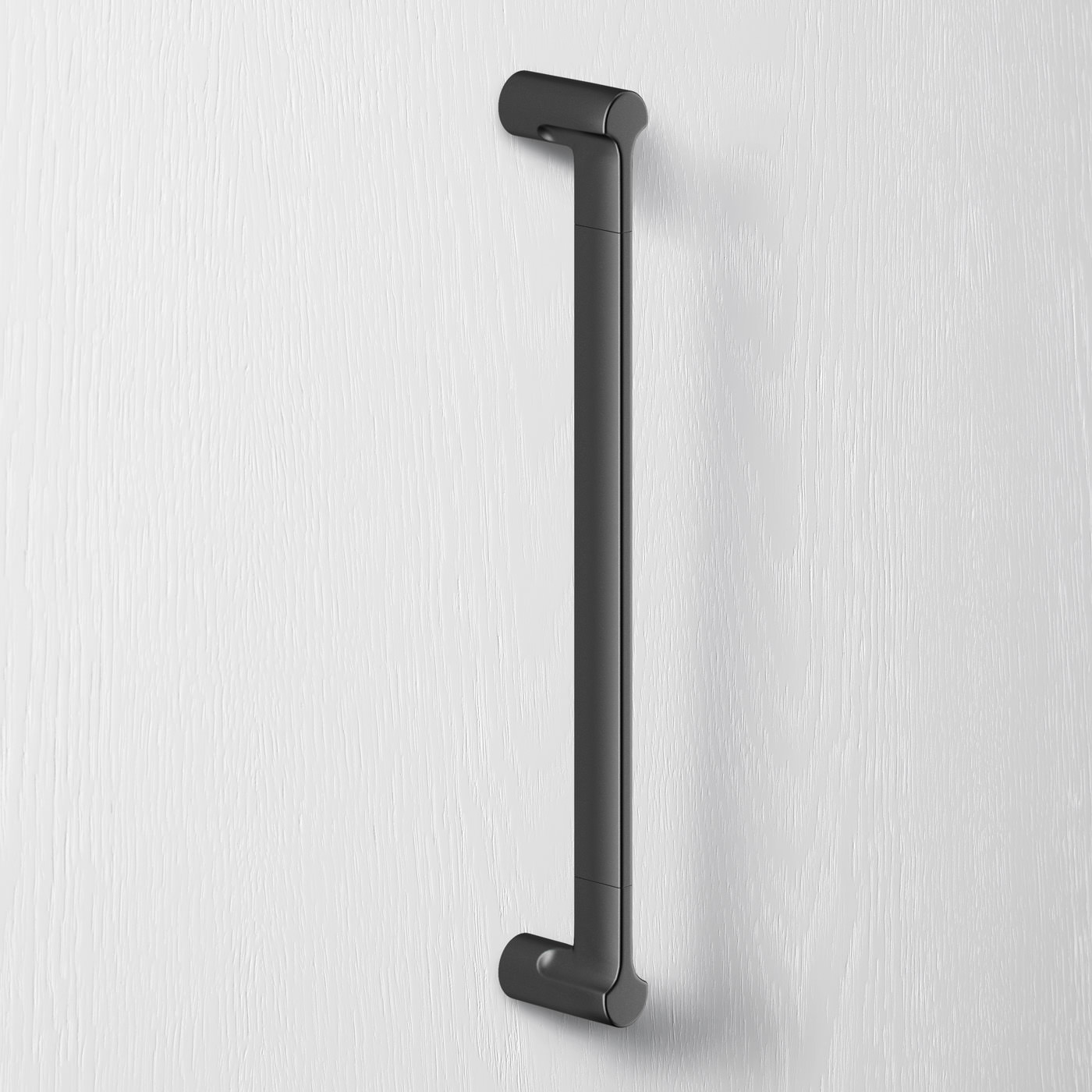
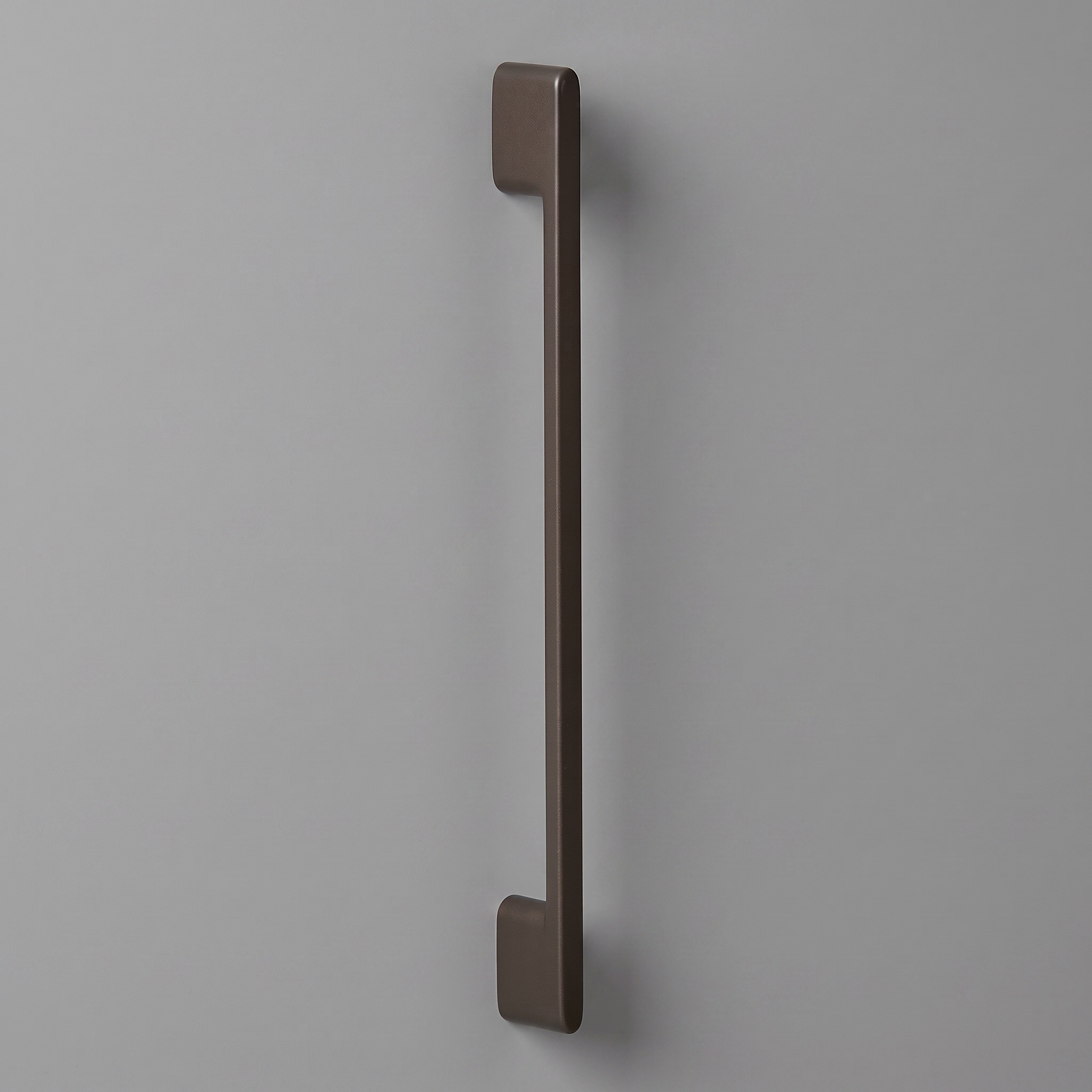
Maralina Door Pull
Maralina
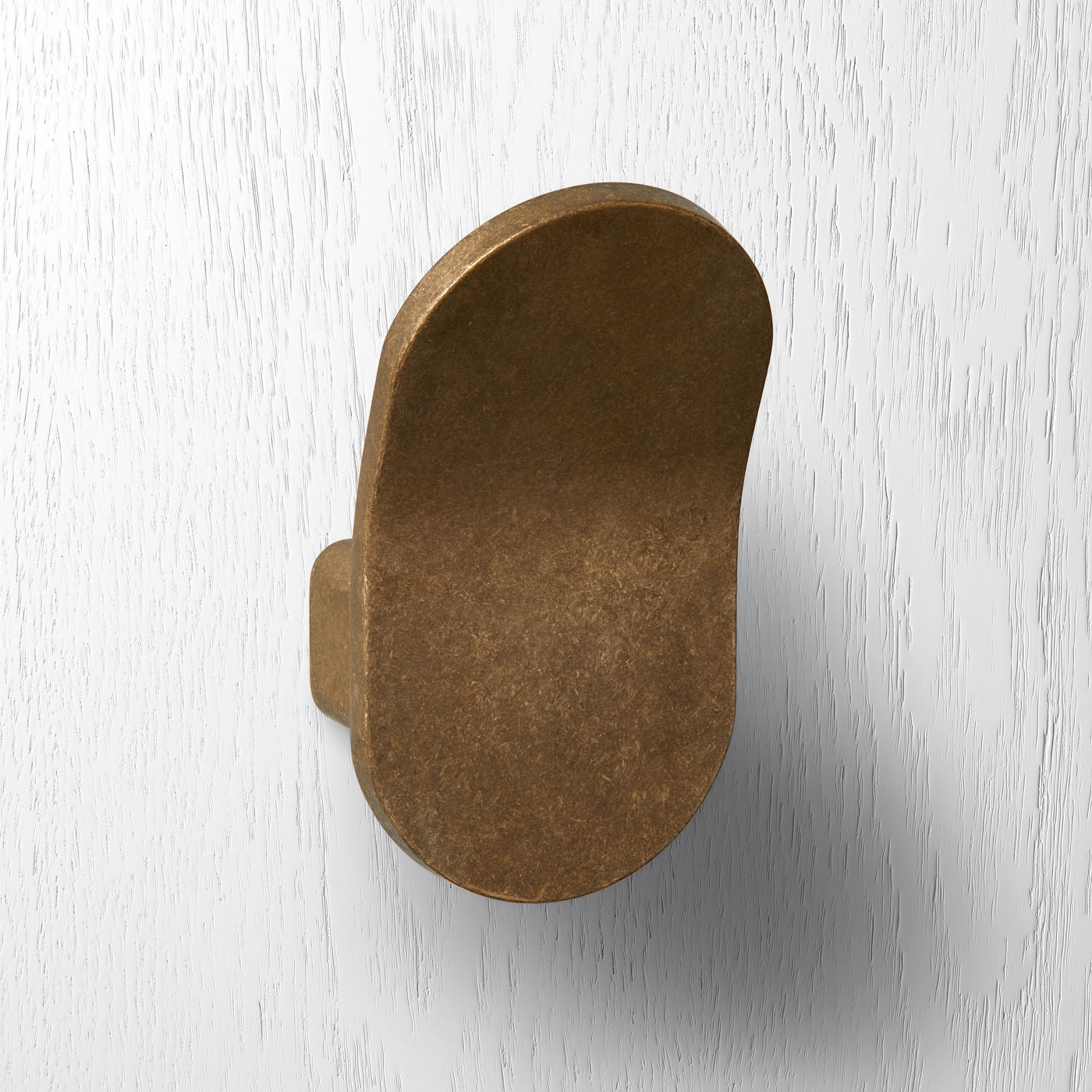
Designed by Pittella Design Studio, Maralina is defined by a refined linear profile, softened edges and a distinctive curved underside.
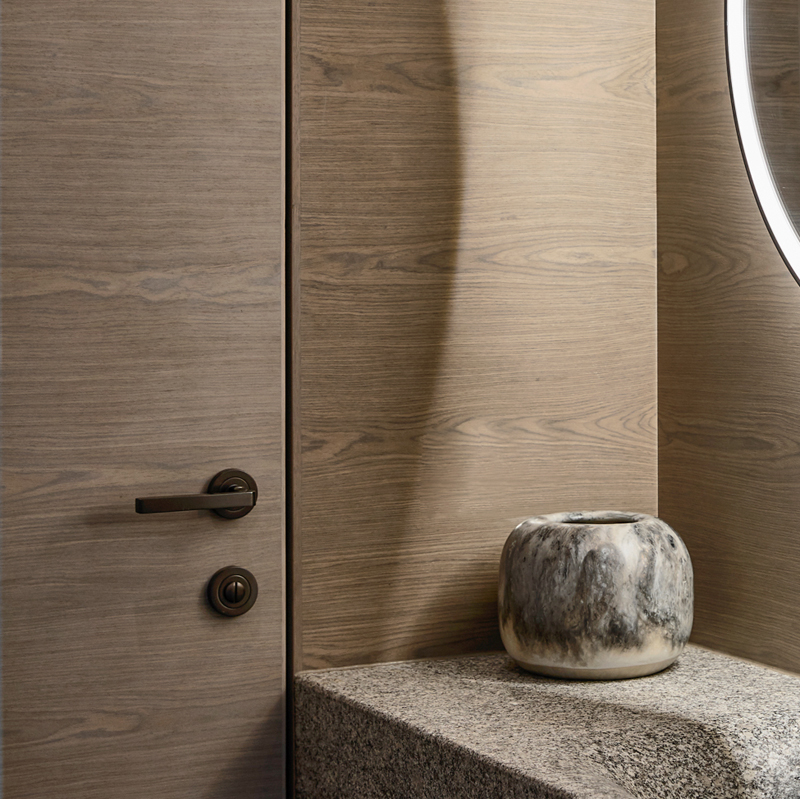
Its form is architectural without being imposing. Maralina sits naturally within contemporary residential, multi-residential and public-facing interiors, where the hardware is intended to be noticed without dominating the surrounding materials.
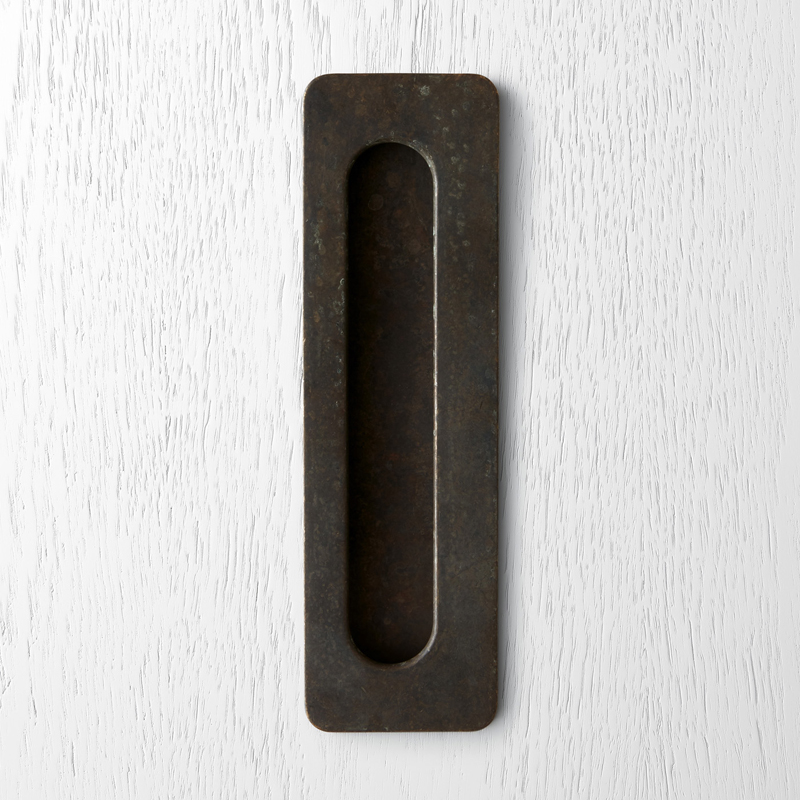
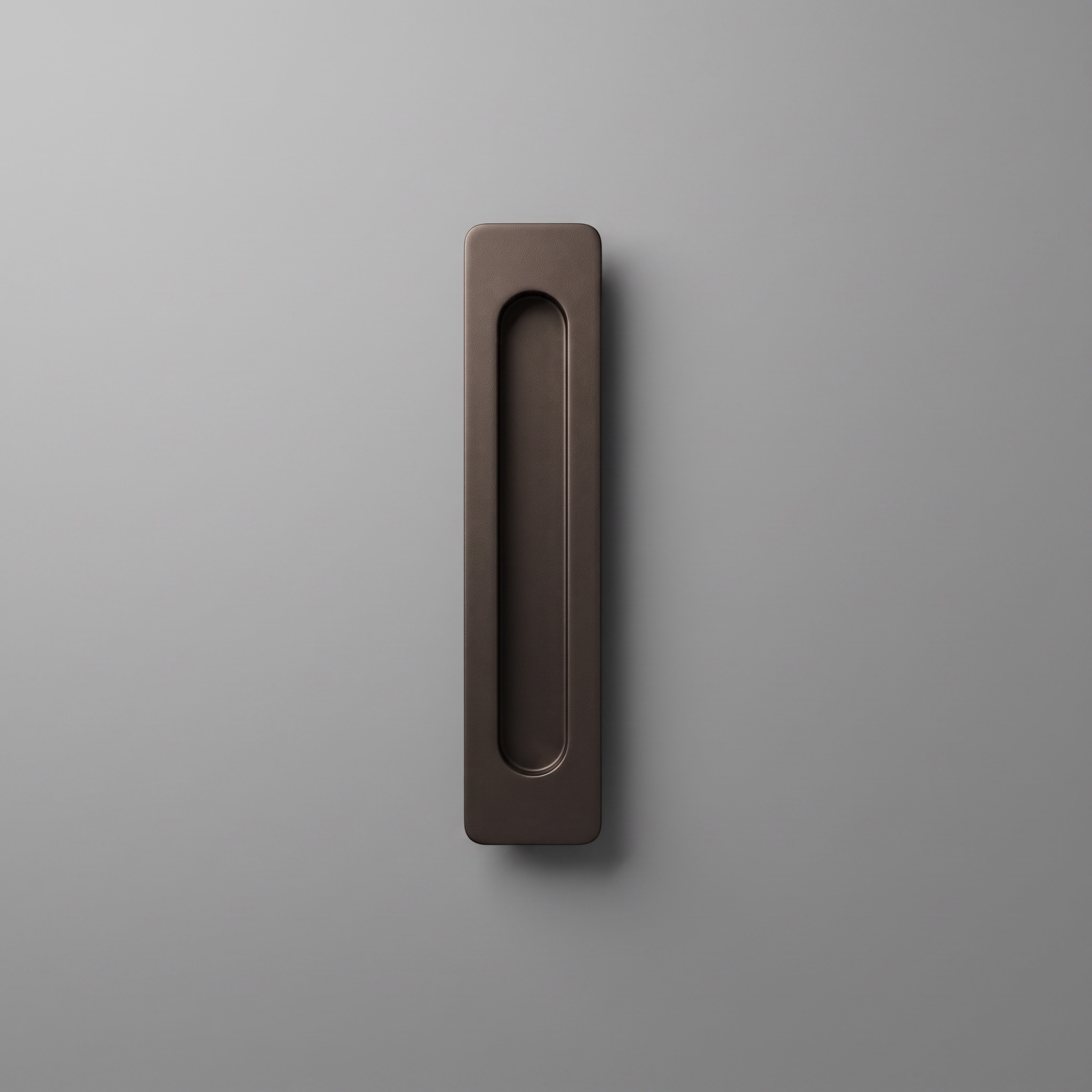
The Maralina design language extends beyond the principal door pull to coordinating lever handles, flush pulls and joinery pieces. This allows the opening to be resolved as part of a wider family rather than as an isolated hardware selection.
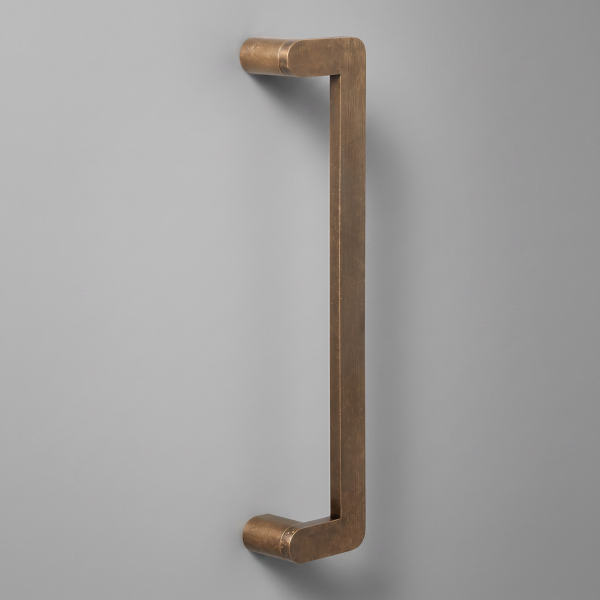
Maralina Offset
Maralina Offset
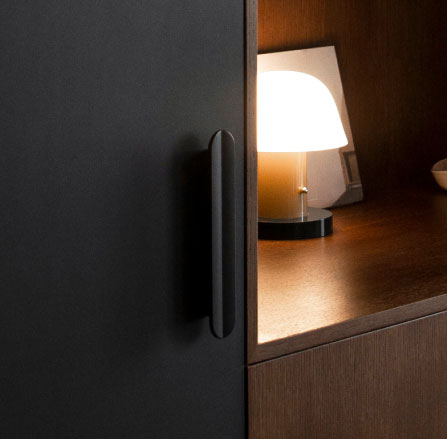
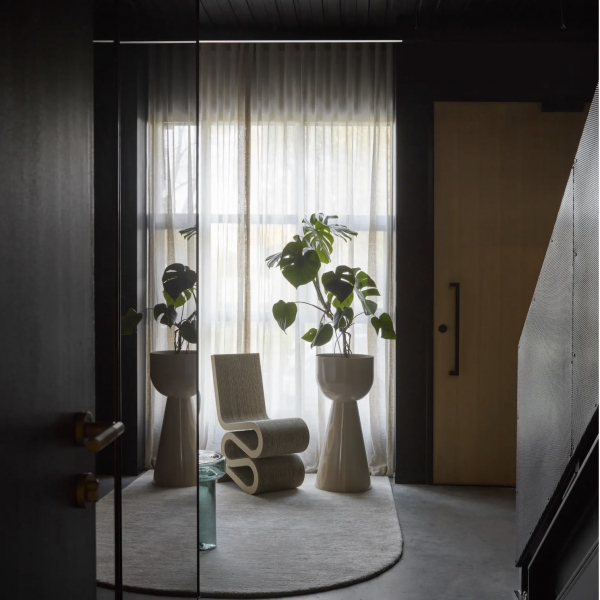
Maralina Offset adapts the original pull for sliding-door conditions.
Its offset mounting provides additional clearance while preserving the curved profile and visual identity of the Maralina family. It is designed for use on sliding doors constructed from timber, steel or aluminium, subject to the fixing requirements of the particular door.
This considered adaptation allows a sliding opening to remain connected to the wider hardware scheme without introducing an unrelated form.
Tura Door Pull
Tura Joinery Pull
Tura
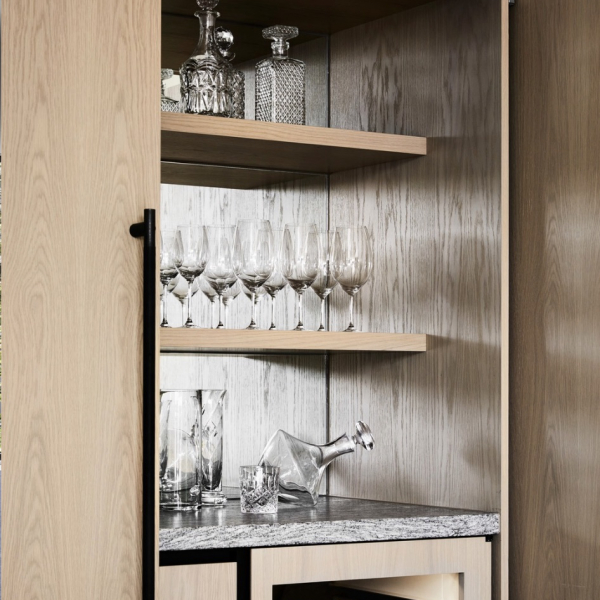
Designed by Pittella Design Studio, Tura draws on the materiality and industrial character of Italian mid-century design.
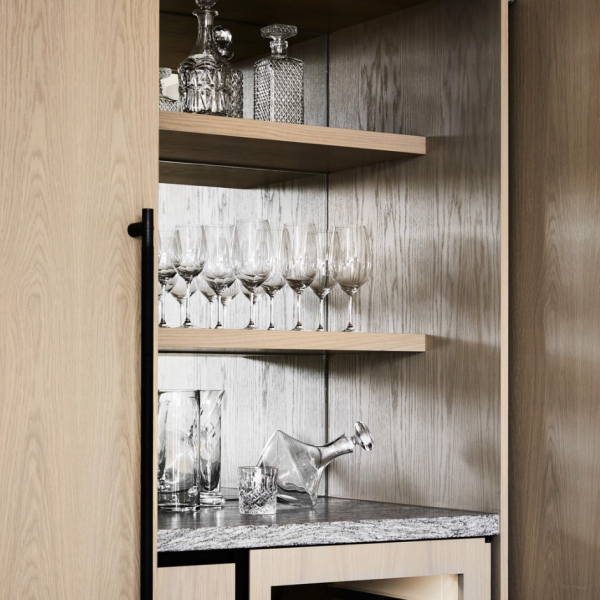
Its linear proportions and distinctive knurled surface create a tactile point of interaction. The texture gives the pull a strong material presence, offering an alternative to the smooth, minimal forms commonly associated with accessible hardware.
Tura can be coordinated with related door handles, joinery pulls and appliance pulls, allowing its visual language to continue across doors, cabinetry and integrated appliances.
Arnaldo Lever Handle
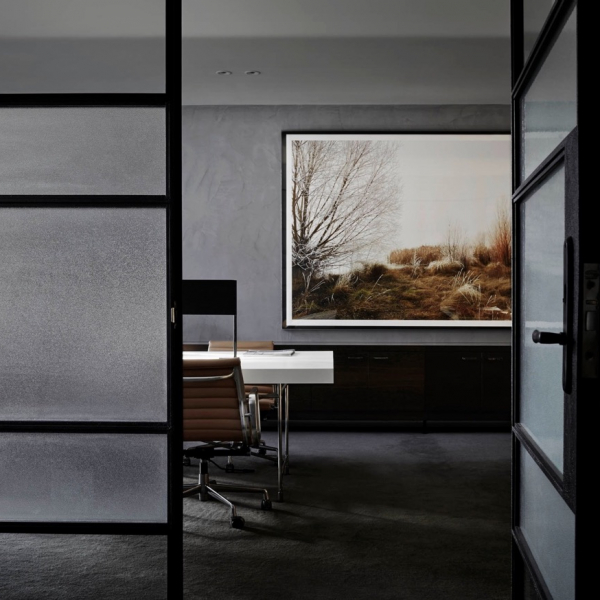
Arnaldo
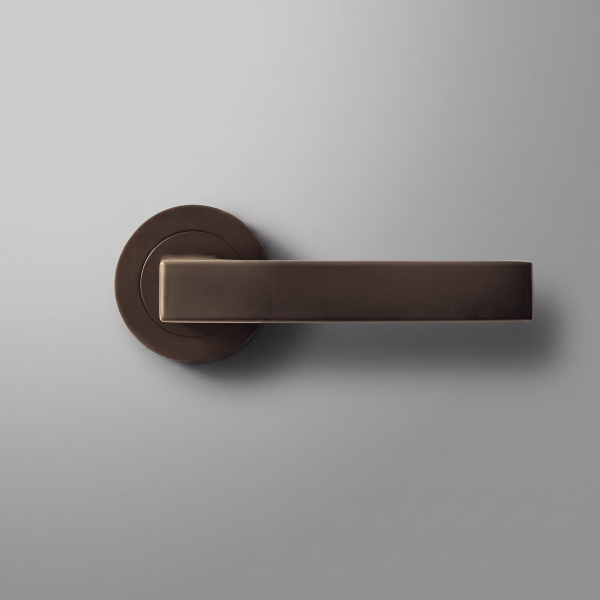
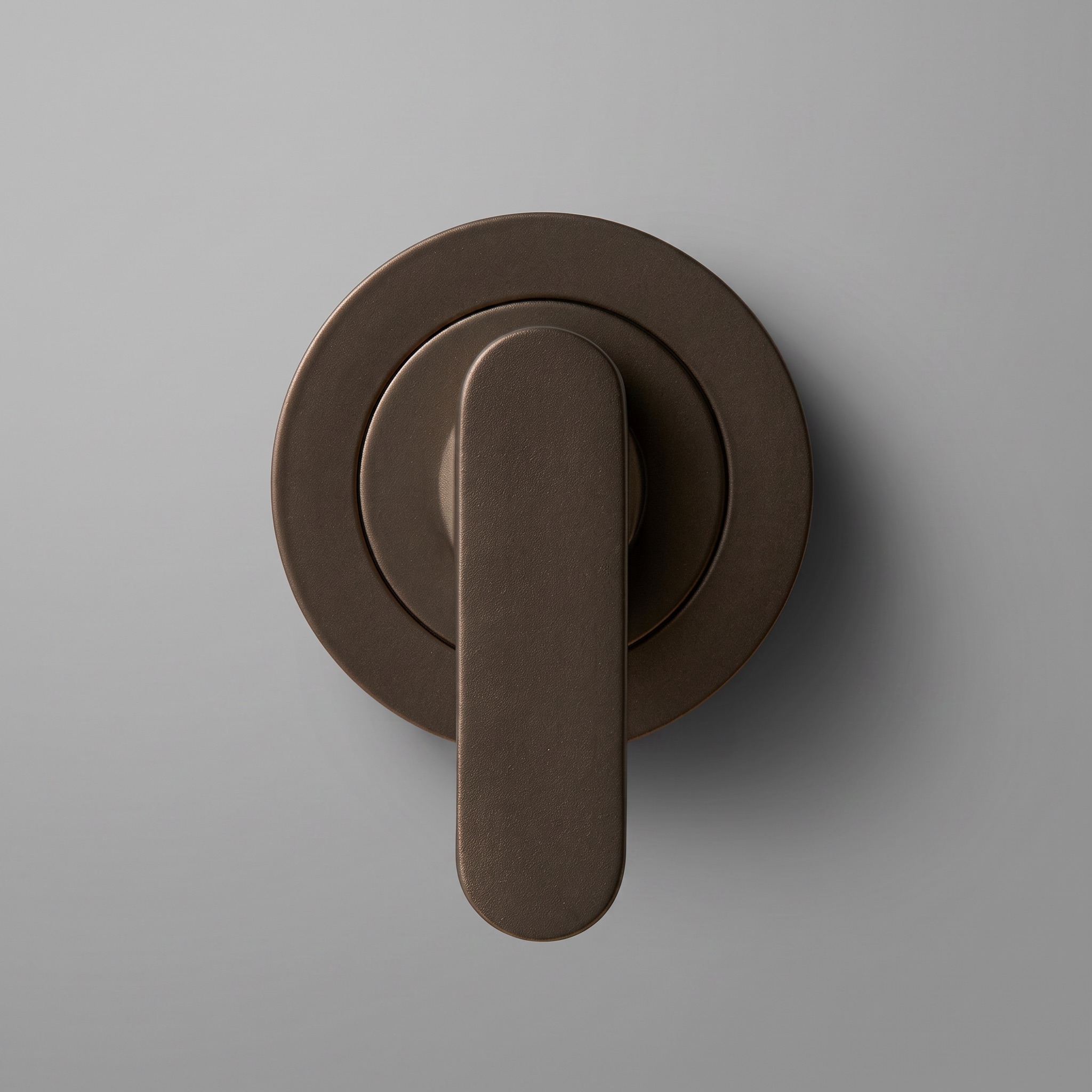
The Arnaldo accessible lever handle retains the refined contemporary form of the wider Arnaldo range while incorporating a subtle return to the door.
This makes it suited to projects where an accessible lever is required without visually separating that opening from the broader hardware language of the interior.
Its quiet geometry allows it to be repeated across communal areas, apartment settings and other frequently used openings, subject to the particular requirements of the project.
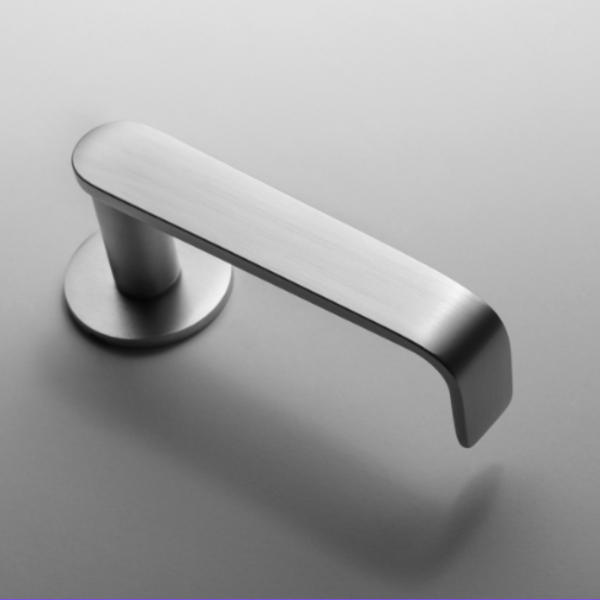
Safety Lever Handle
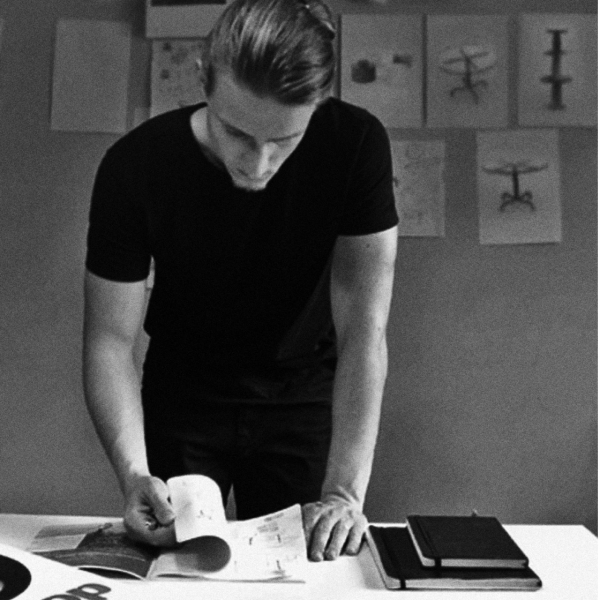
Enrico Martini
Safety
Designed by Enrico Martini, the Safety lever handle was developed to respond to Australian accessible-hardware requirements.
Its restrained silhouette and returning lever form make it a practical selection for frequently used doors and repeatable door sets. Rather than appearing overtly institutional, Safety maintains the proportions and material quality expected of a considered architectural interior.
Together, Maralina, Tura, Arnaldo and Safety demonstrate that accessible hardware need not be represented by a single aesthetic response. The appropriate design can be selected according to the opening, architecture, material palette and intended experience of the space.
Accessible hardware in hospitality and retail
In hospitality and retail environments, door hardware forms part of the visitor’s physical experience of the interior.
An entrance pull establishes an immediate tactile impression. Amenity, balcony and circulation doors may remain in constant use throughout the day. Each opening must perform reliably while maintaining a clear relationship with the surrounding architecture.
The strongest results are achieved when accessible openings are identified during the original specification process. This enables clearances, locks, door closers, fire requirements and fixing methods to be coordinated before the hardware and finishes are approved.
It also prevents the accessible opening from being treated as an exception. Instead, it becomes part of the same considered hardware family used throughout the project.
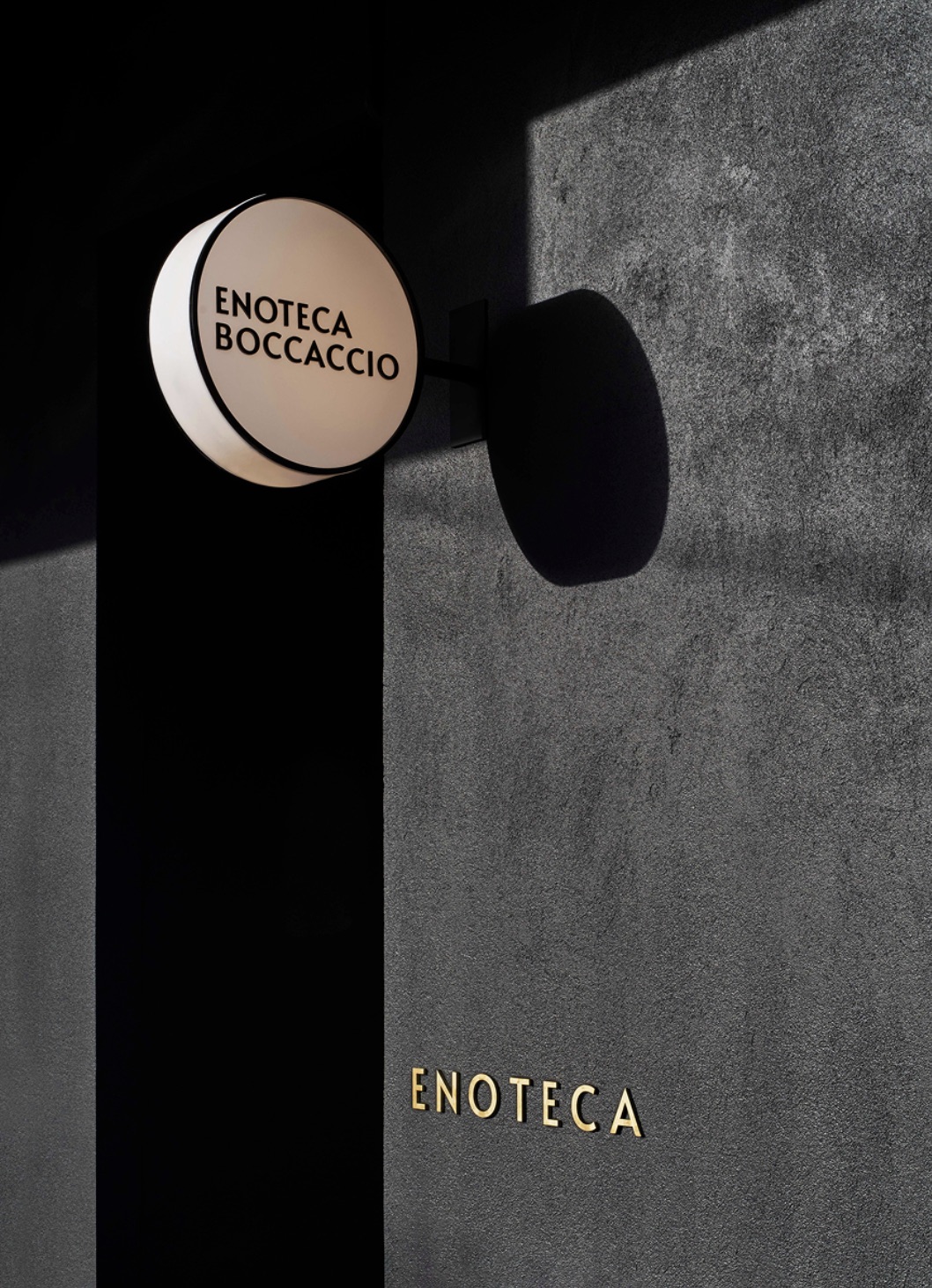
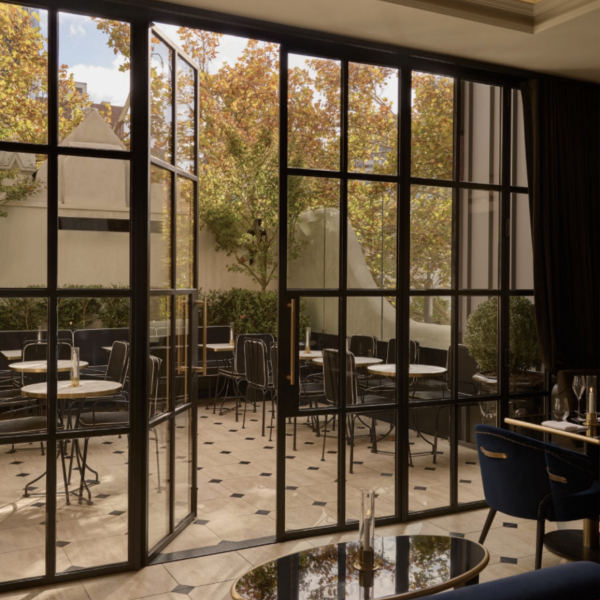
Enoteca Boccaccio by Mim Design
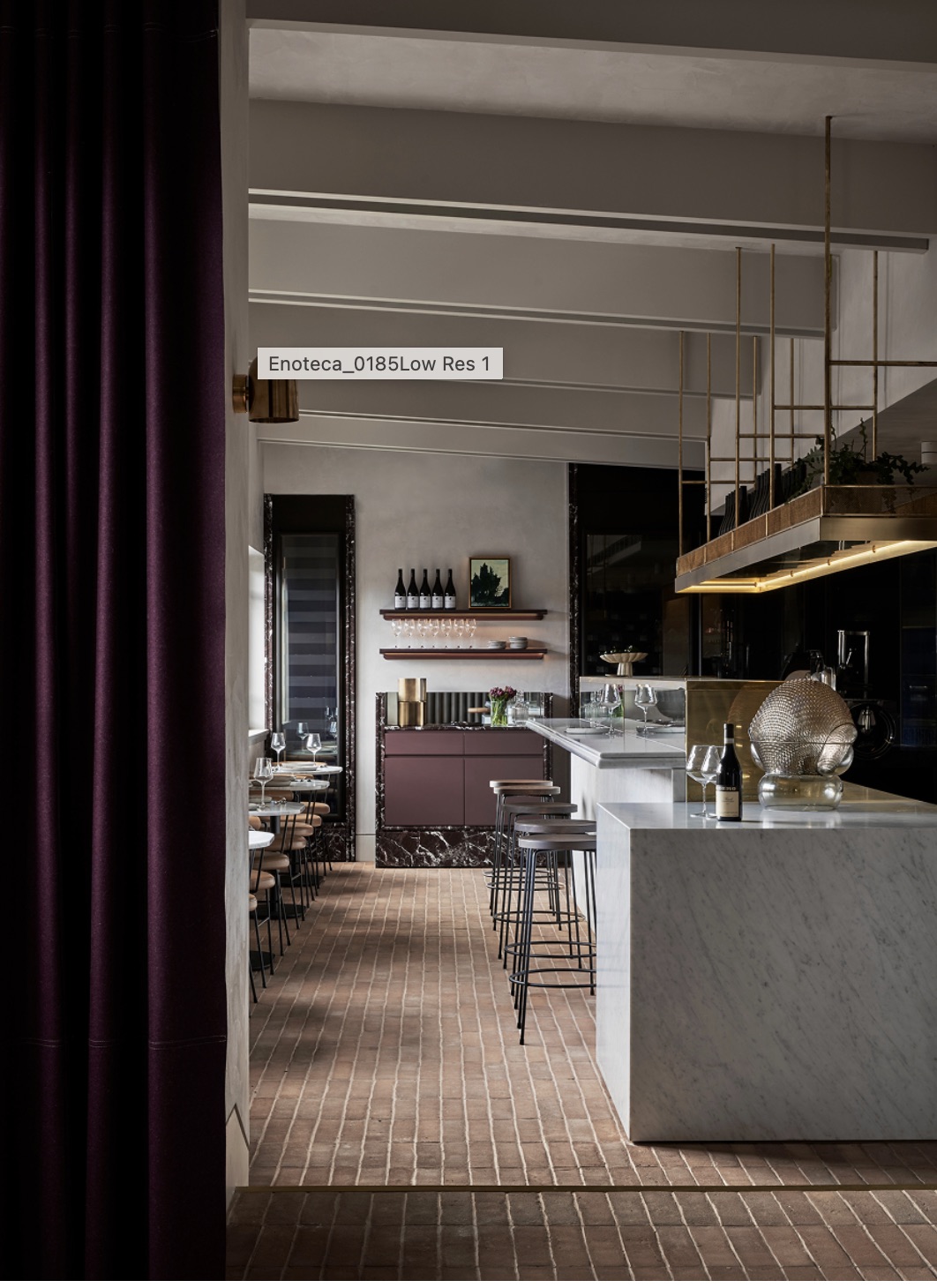
Enoteca Boccaccio
At Enoteca Boccaccio by Mim Design, the Maralina Door Pull was selected in Tumbled Brass alongside coordinating ancillary hardware.
The pull acts as a principal element within the hardware scheme, while related components maintain continuity across the wider fitout. Its softened form and warm materiality sit comfortably within an interior that balances contemporary detailing with the familiar character of an Italian enoteca.
This project reflects a central part of our approach: the principal pull is not treated as an isolated selection. It becomes the starting point for a coordinated family of hardware, allowing a consistent visual and tactile language to move through the project.
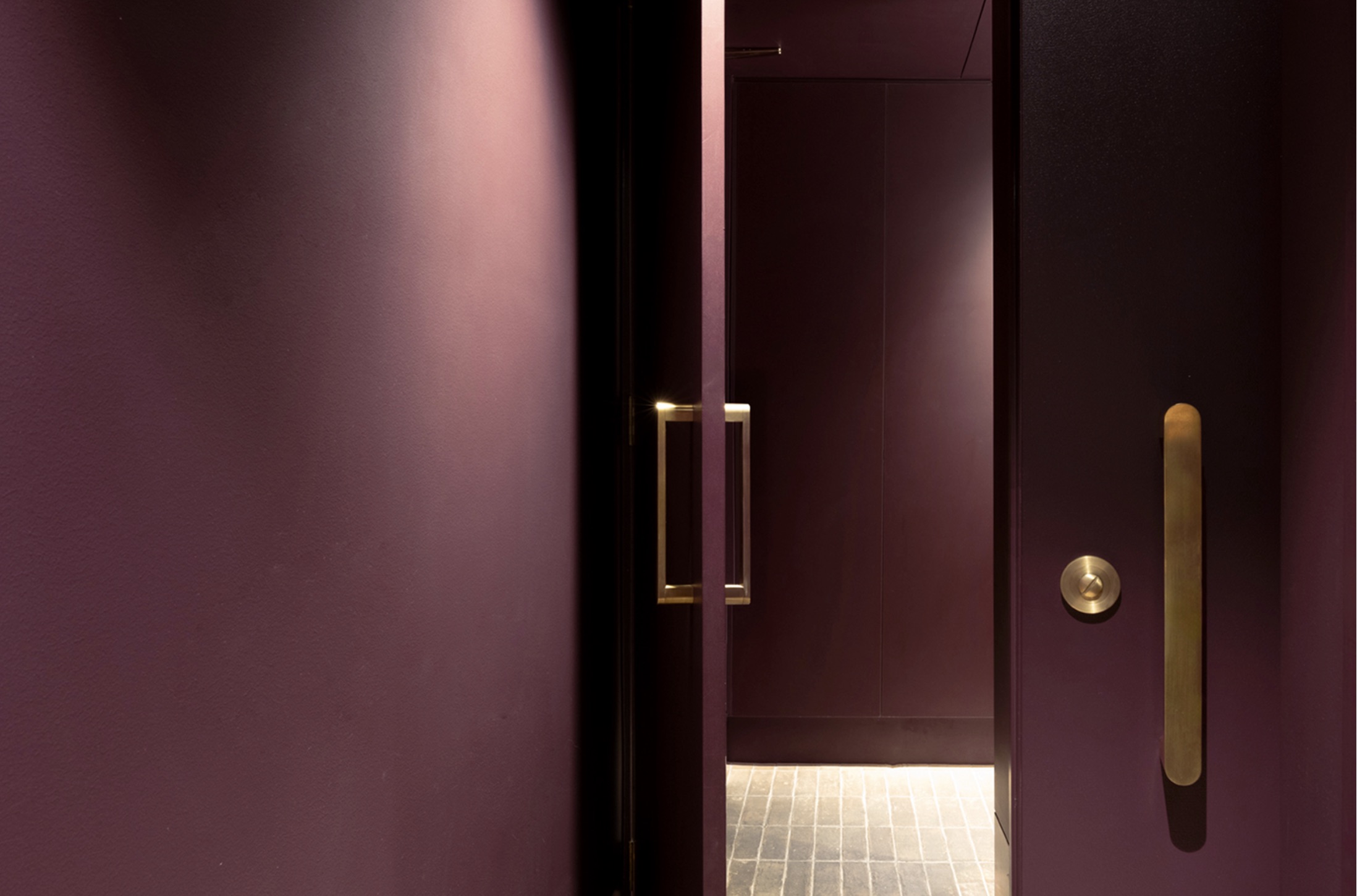
Maralina in Tumbled Brass
Design choice at the entrance is only the beginning.
A complete architectural hardware scheme may include:
- entrance pulls and lever handles
- internal passage-door sets
- privacy turns and emergency releases
- sliding-door pulls and flush pulls
- joinery and appliance pulls
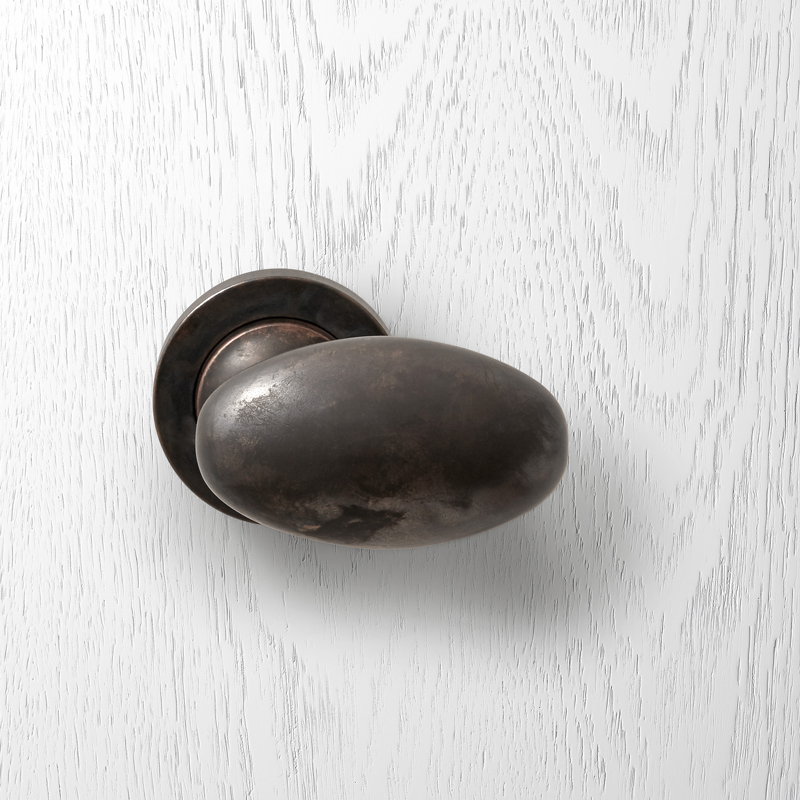
- coordinating knobs and ancillary components
Considering these elements together avoids the fragmentation that can occur when each opening is resolved independently.
Finishes can move consistently between doors, cabinetry and appliances. Related forms can be applied at different scales, while privacy and sliding-door functions can be incorporated without introducing an entirely different visual language.
This coordination also creates a clearer specification process. Samples can be reviewed as a family, finishes can be approved together and the project team can understand how each component contributes to the complete result.
Supporting the project from concept to delivery
Pittella works with architects, interior designers, builders and project teams to develop coordinated hardware solutions for hospitality, retail, multi-residential and premium residential interiors.
Depending on the scope, our support may include:
- hardware selection and specification coordination
- identification of suitable products for accessible openings
- coordination across different door and opening types
- samples and finish approval
- review of project-specific fixing requirements
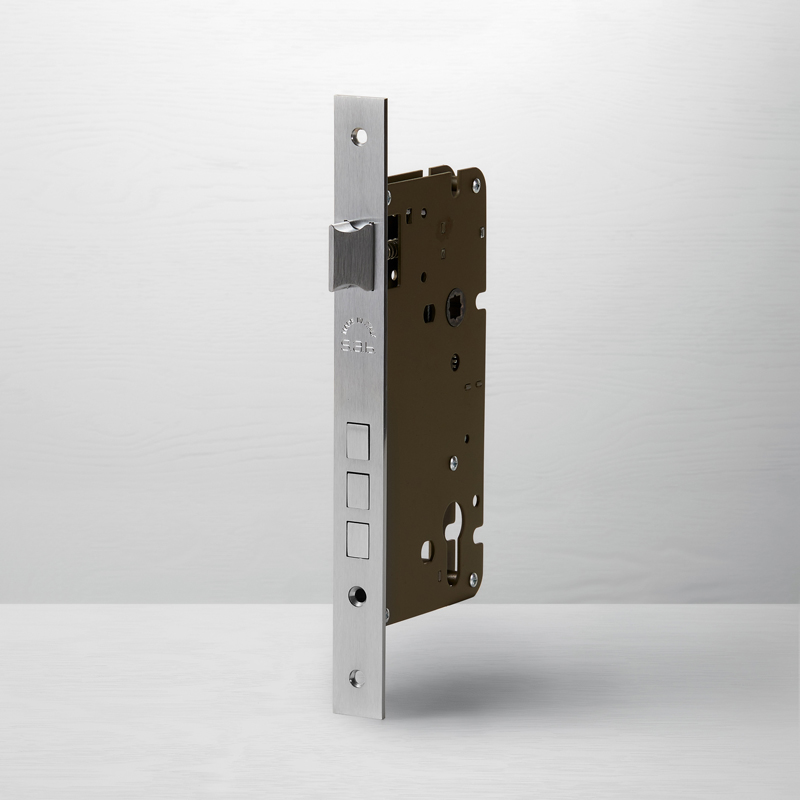
- coordination with nominated locks and entrance systems
- structured hardware kits for delivery and installation
Our aim is not simply to provide an accessible handle.
We want to give designers a genuine choice of forms, finishes and coordinating components, supported by the technical consideration necessary to integrate them properly into the architecture.


