
Blue House, Studio Whiting
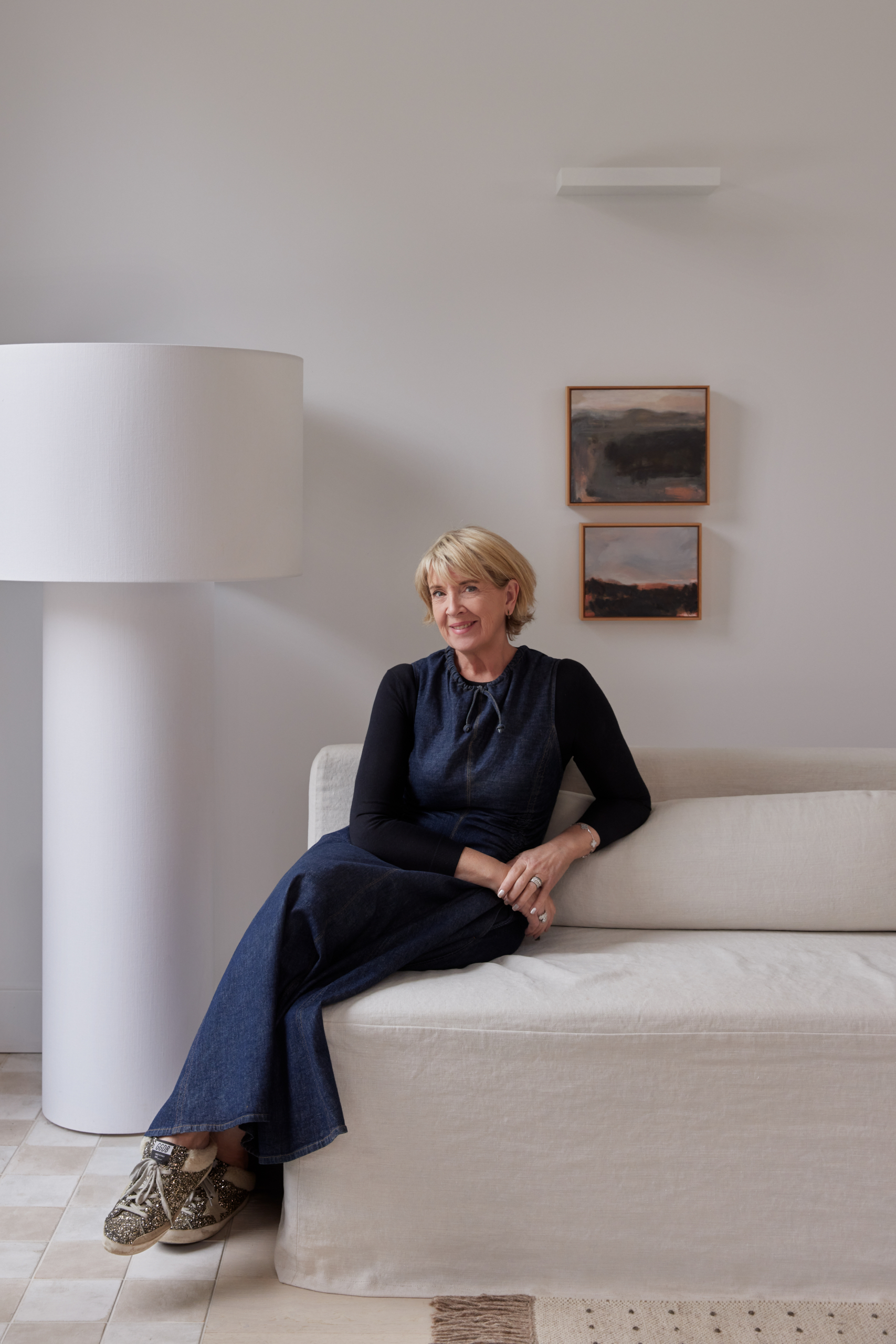
Carole Whiting, Principal at Studio Whiting
The Latest Chapter in a Longstanding Design Partnership
For more than three decades, Studio Whiting and Pittella have worked together across a diverse range of residential projects, united by a shared appreciation for craftsmanship, materiality and timeless design.
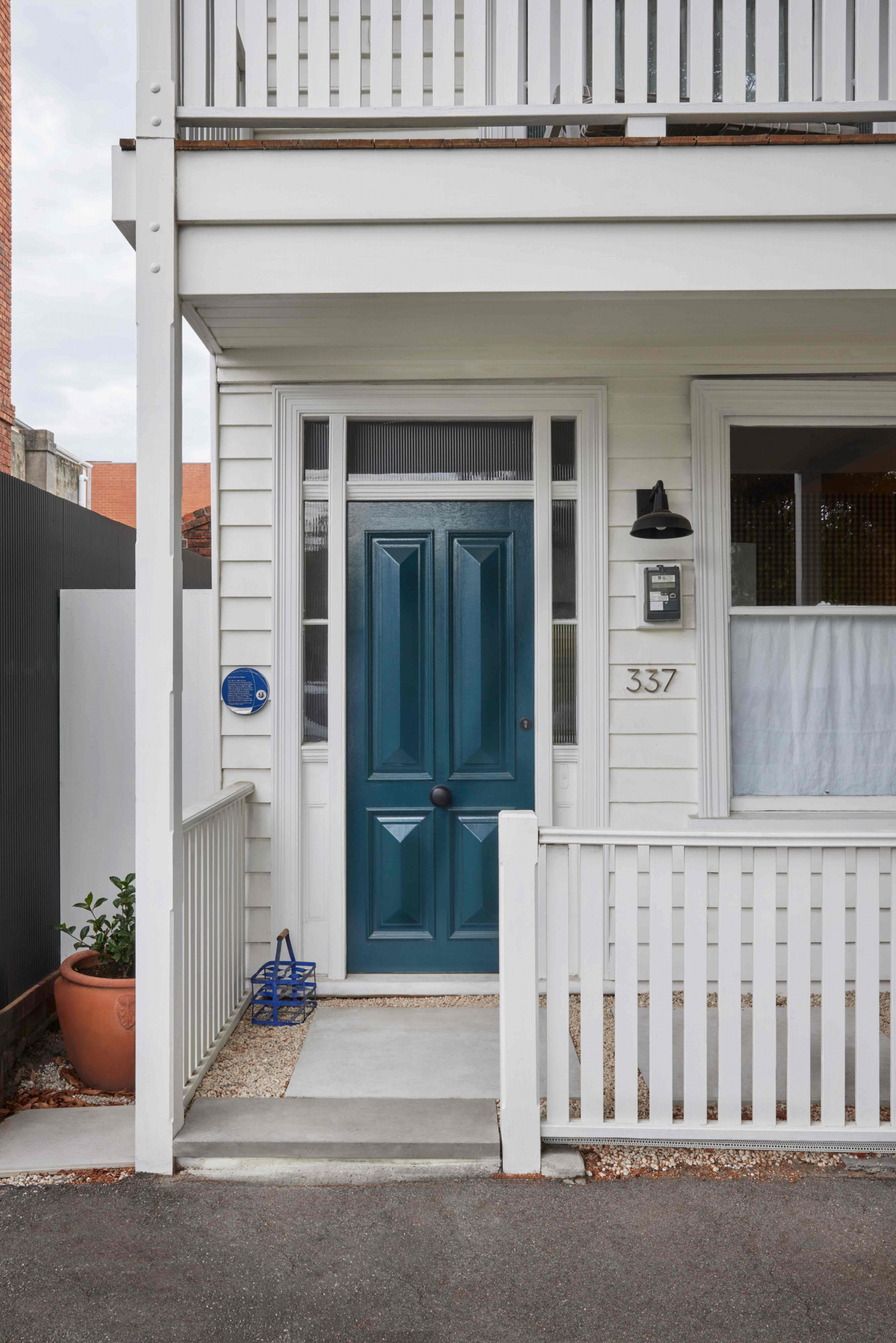
Blue House represents the latest chapter in that relationship. Beginning as a traditional heritage cottage, the home unfolds into light-filled contemporary spaces designed for modern living, balancing heritage character with thoughtful, contemporary interventions.
For principal designer Carole Whiting, the project centred on a single objective; navigating the tension between heritage aesthetic and contemporary living, and finding that balance that respects the original cottage while introducing sharp, modern detailing.
The result is a home that feels both timeless and unexpected, where old and new coexist without compromise.
Respecting the Heritage Bones
One of the greatest challenges when working with heritage homes is ensuring that contemporary interventions feel connected to the original architecture rather than simply attached to it.
At Blue House, continuity was achieved through careful consideration of materiality, proportion and detail.
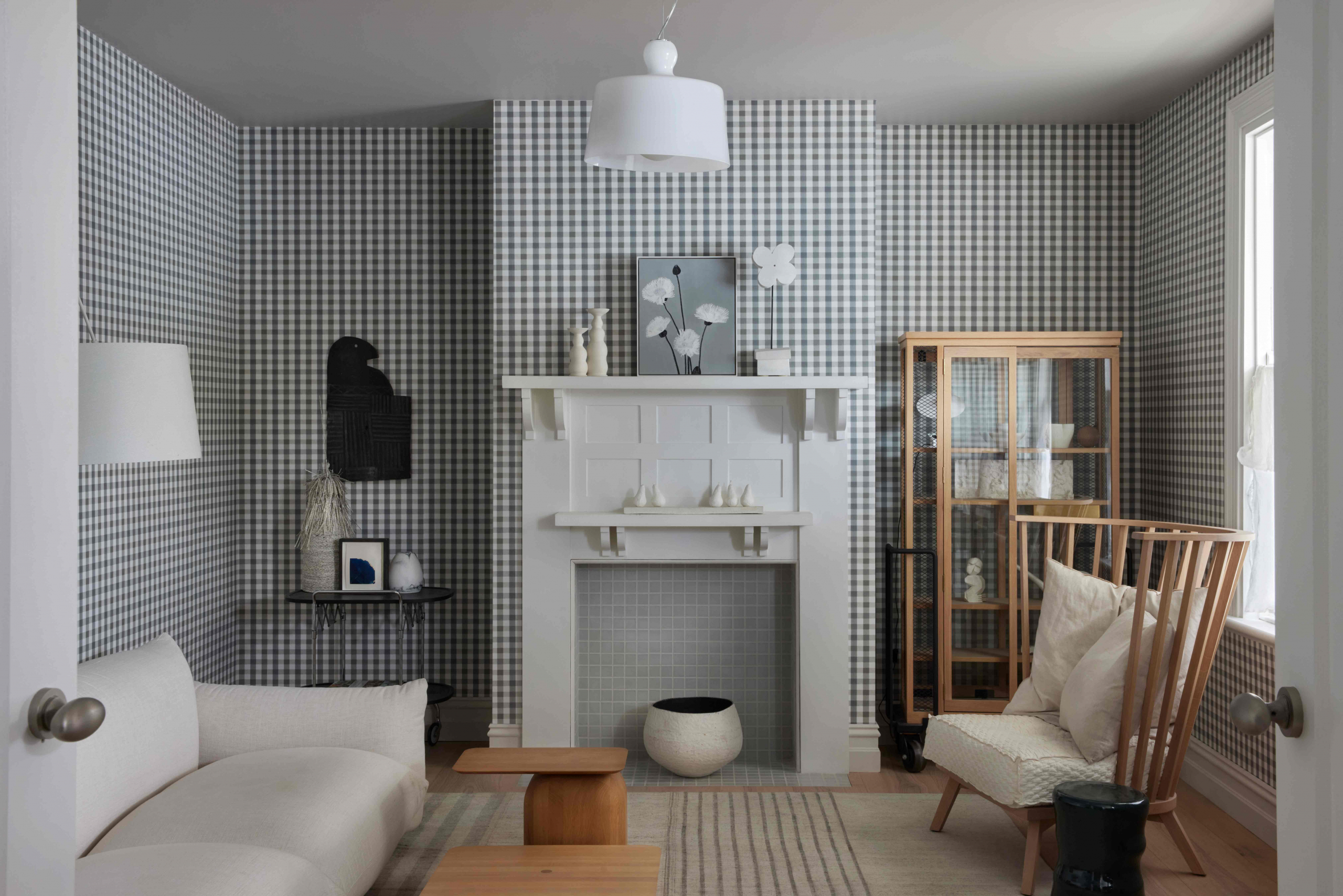
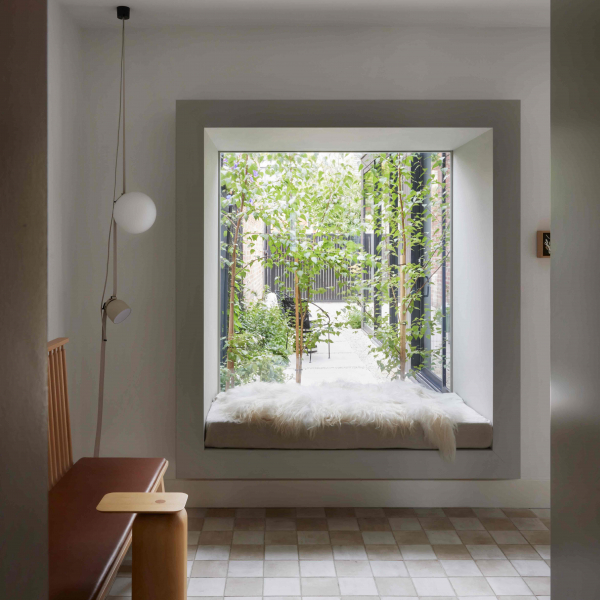
Classic checkerboard flooring helps establish a visual thread through the home, while a restrained material palette creates cohesion between the original cottage and the new pavilion. Lighting also plays an important role, guiding movement through the spaces and reinforcing the transition between old and new.
“Continuity came from a combination of material repetition and disciplined detailing,” says Carole. “I wanted the new work to feel like a natural evolution rather than a separate project attached to the back.” – Carole Whiting
A Journey Through the Home
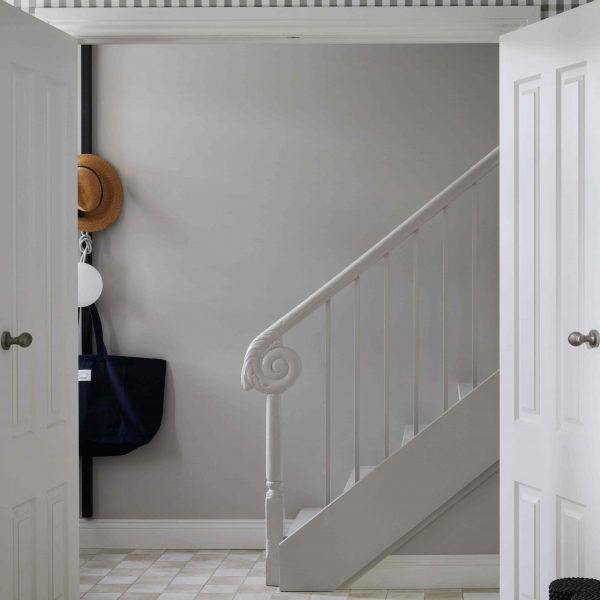
The experience of Blue House is intentionally layered. At the front of the home, rooms feel intimate, atmospheric and deeply connected to the building’s heritage origins. There are moments of surprise and personality, including playful decorative elements that hint at what lies beyond.
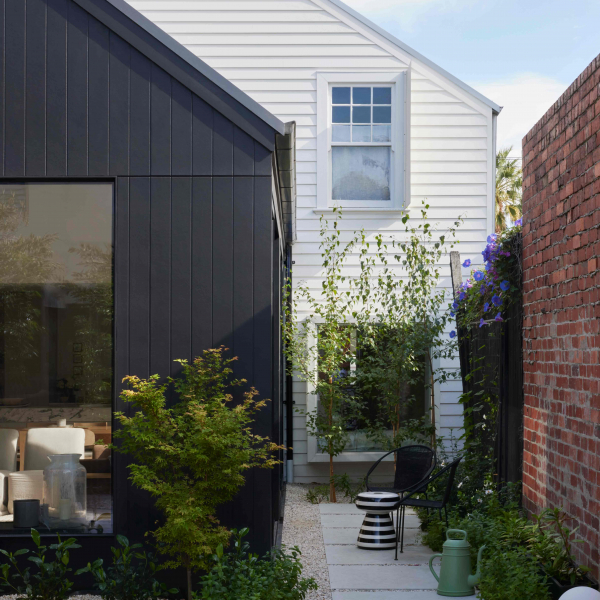
As visitors move through the home, the spaces gradually become brighter, larger and more open. The rear pavilion embraces natural light and landscape while maintaining a strong connection to the original structure.
“I wanted people to experience contrast without disconnect,” Carole explains. “To feel that the entire house belongs together despite the shift in mood and scale.”
Hardware as a Design Layer
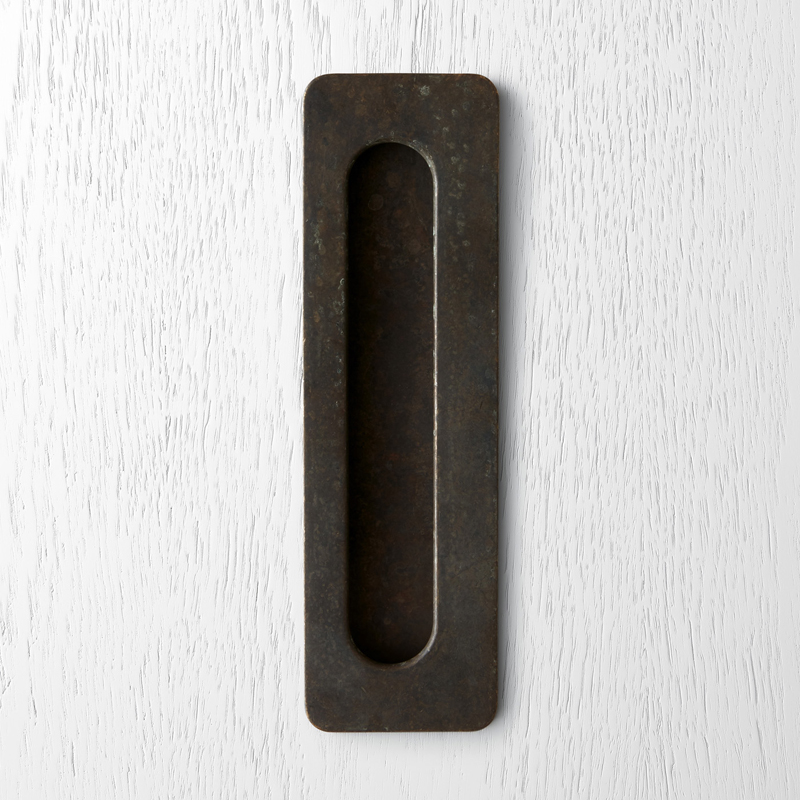
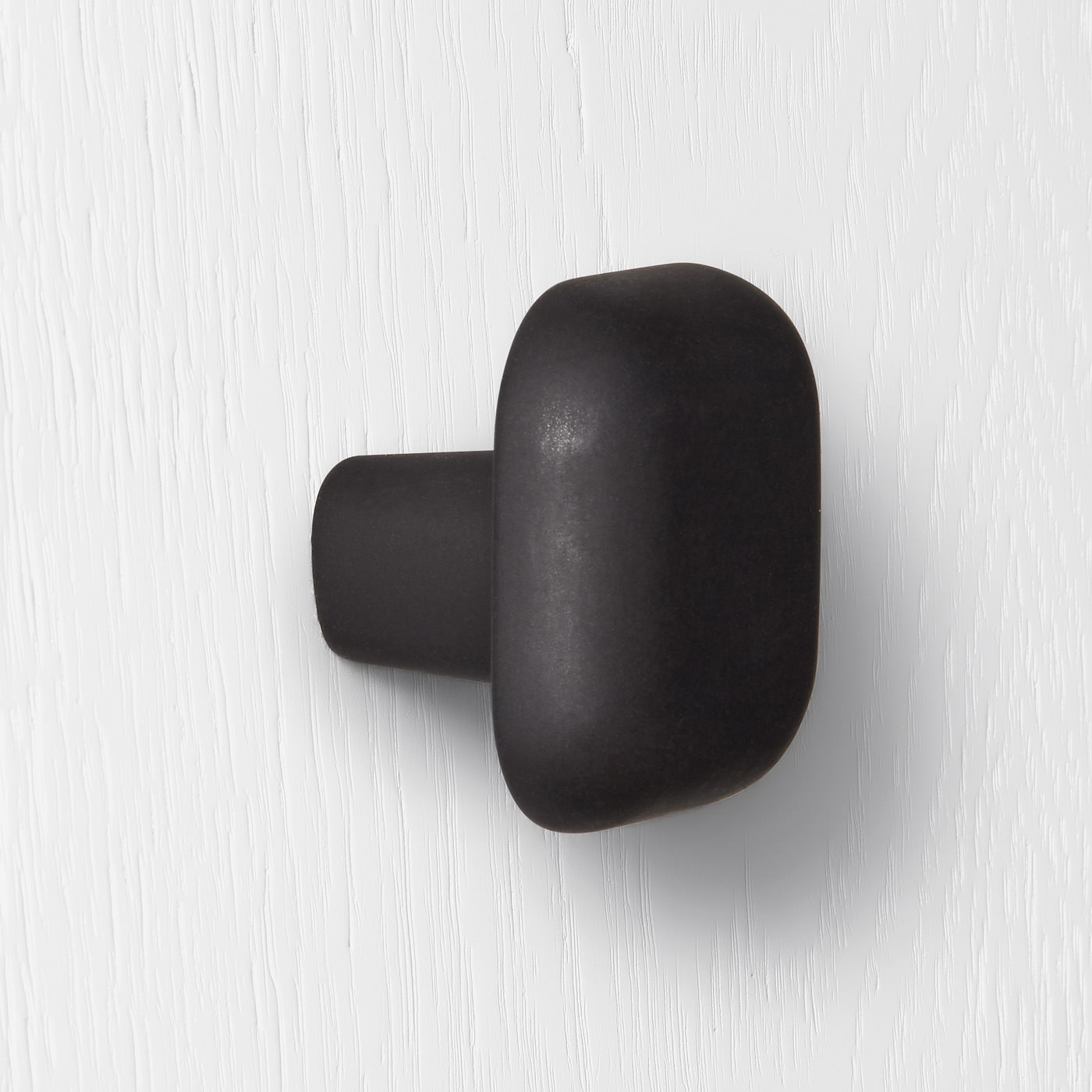
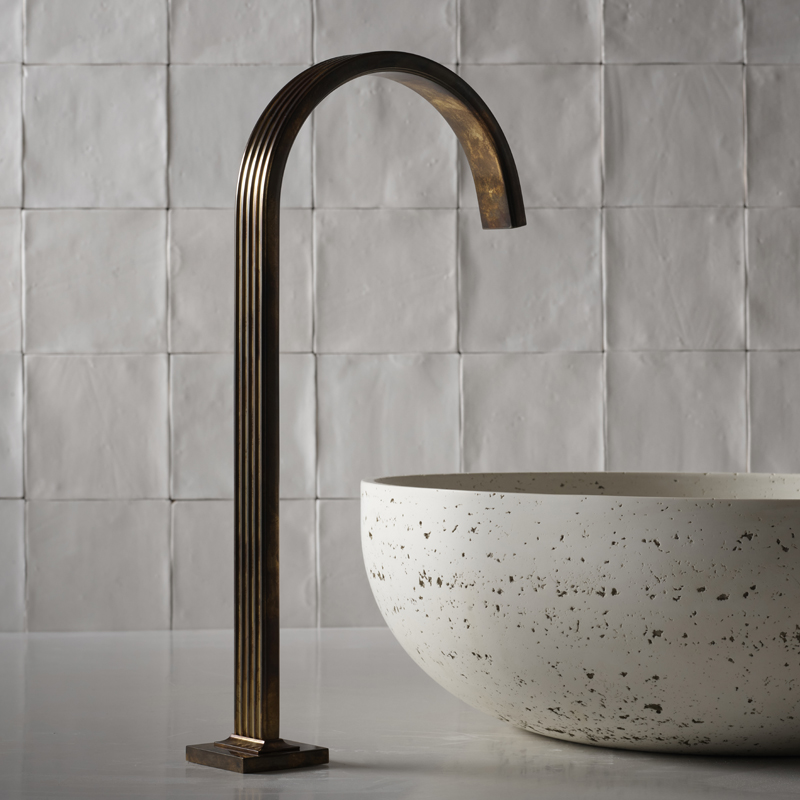
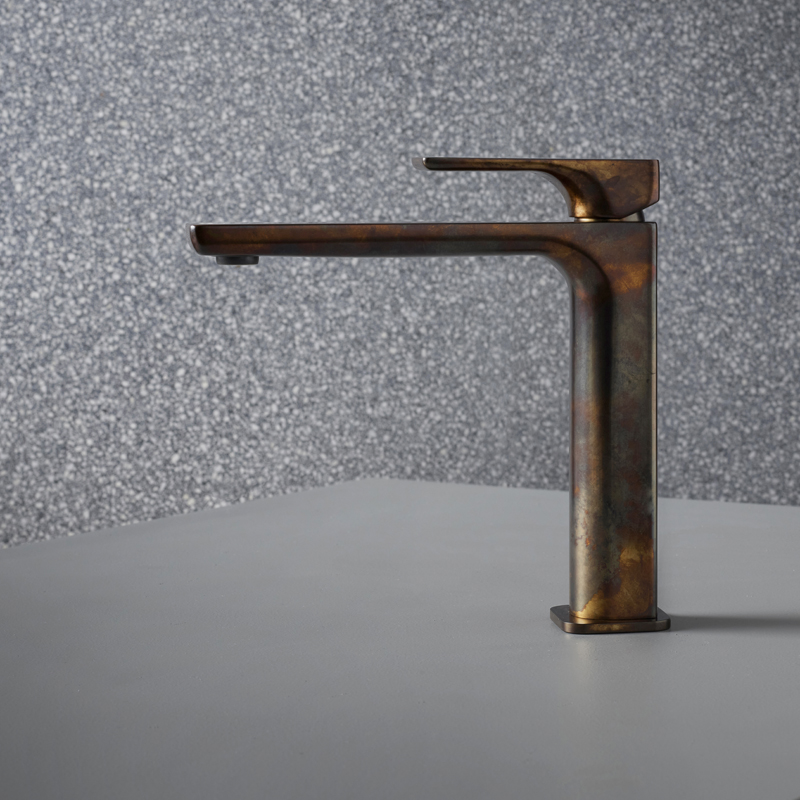
At Studio Whiting, hardware is never considered an afterthought. Instead, tapware and door hardware are treated as integral design elements that contribute to the overall atmosphere of a space.
“Tapware, in particular, makes a significant statement in wet areas,” says Carole. “Of course it needs to function well, but beyond that it helps establish the tone and character of a bathroom.”
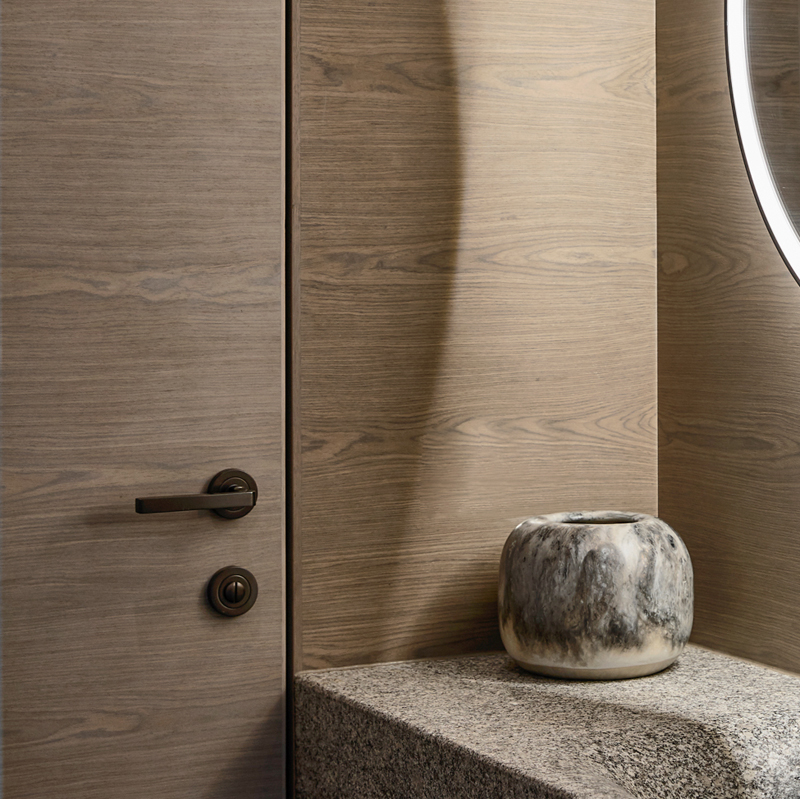
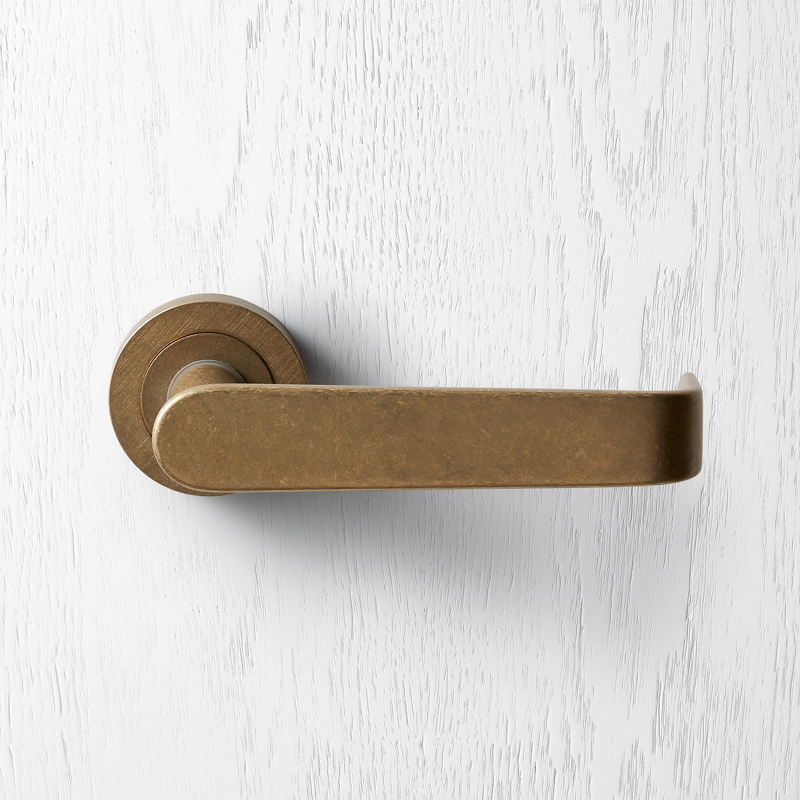
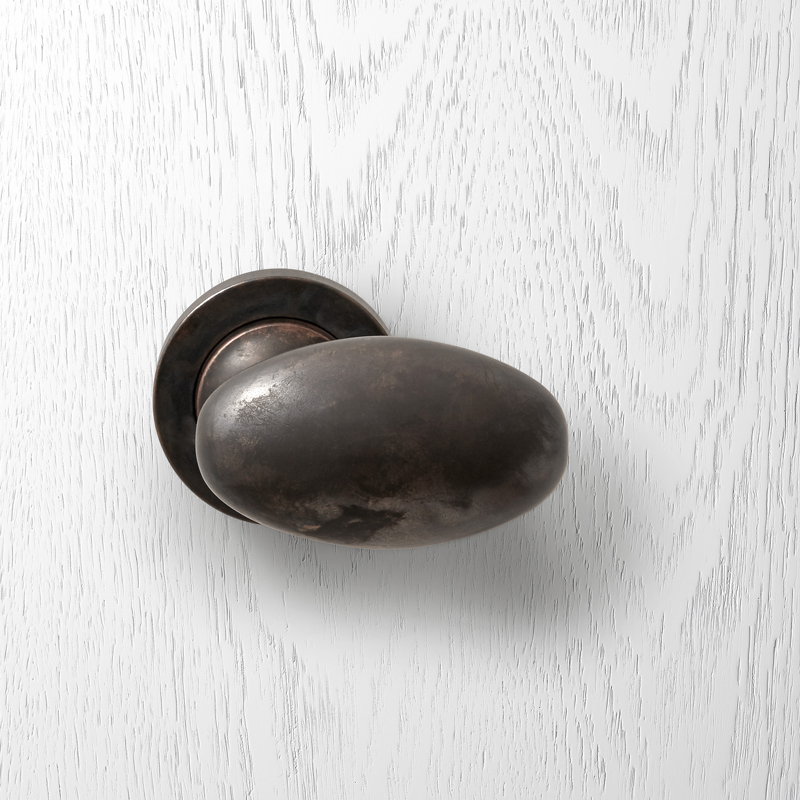
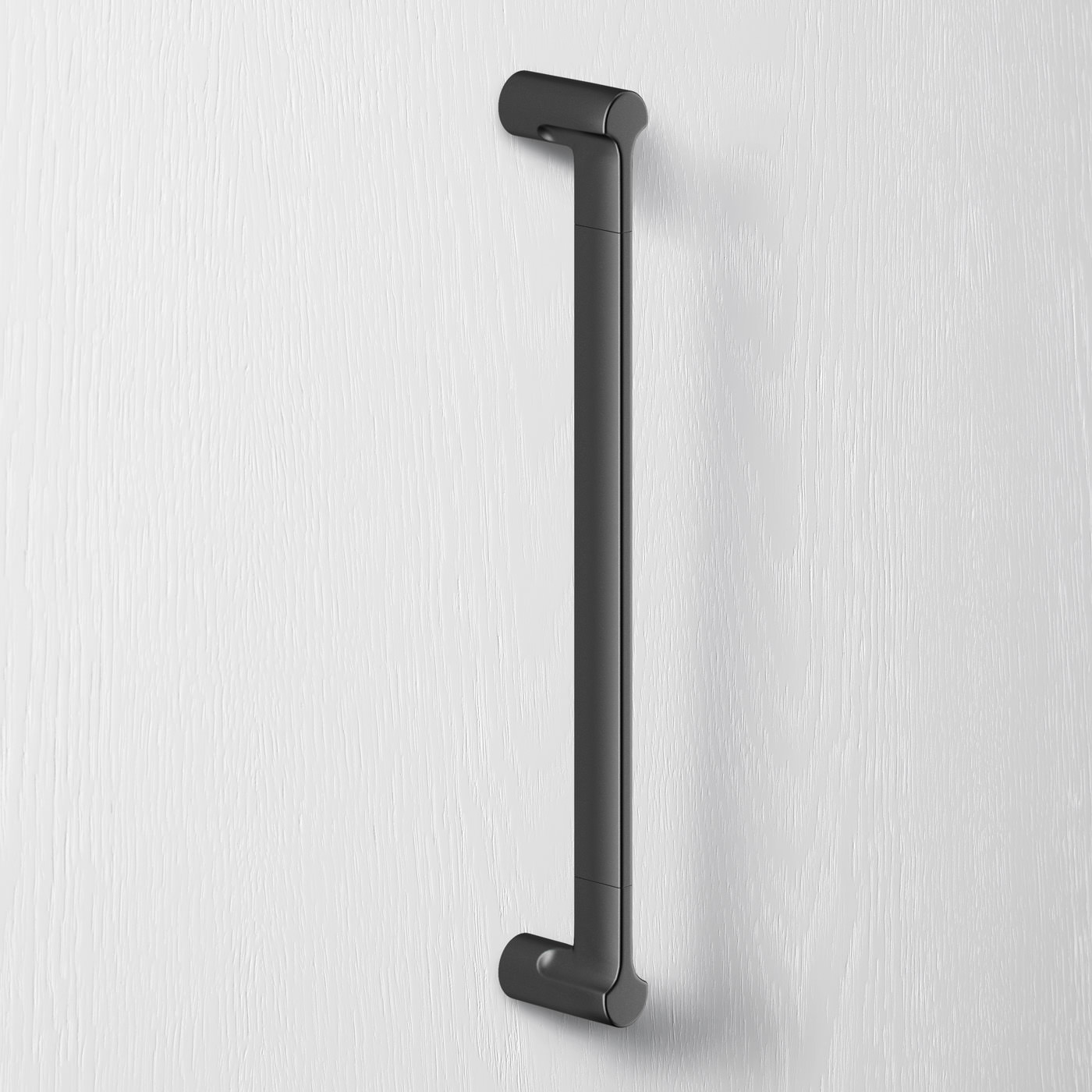
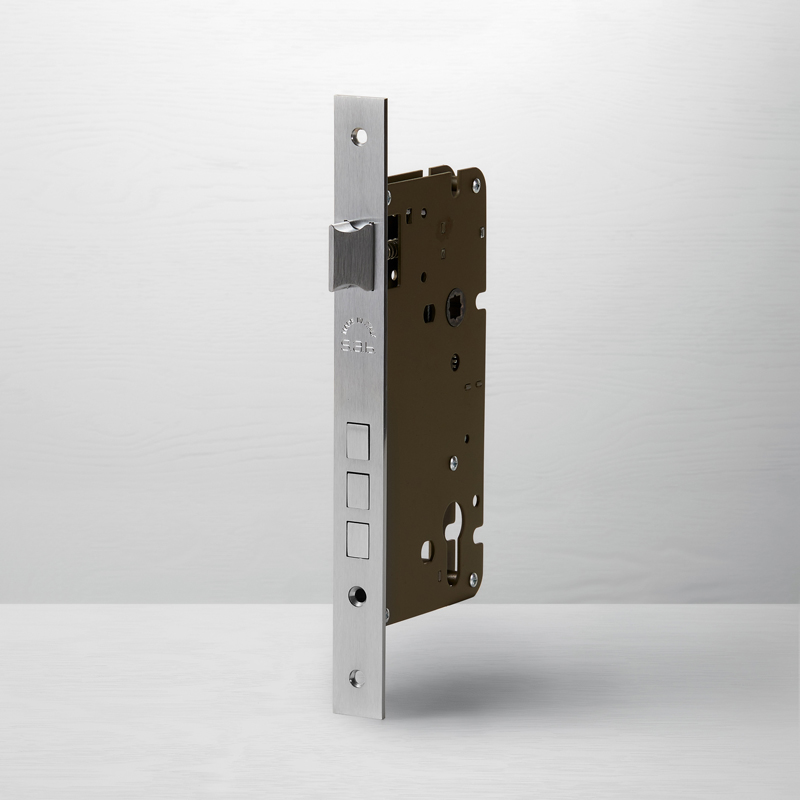
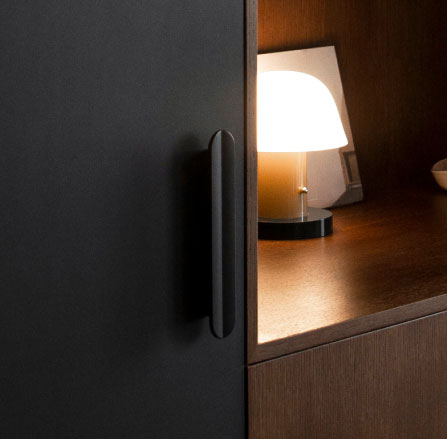
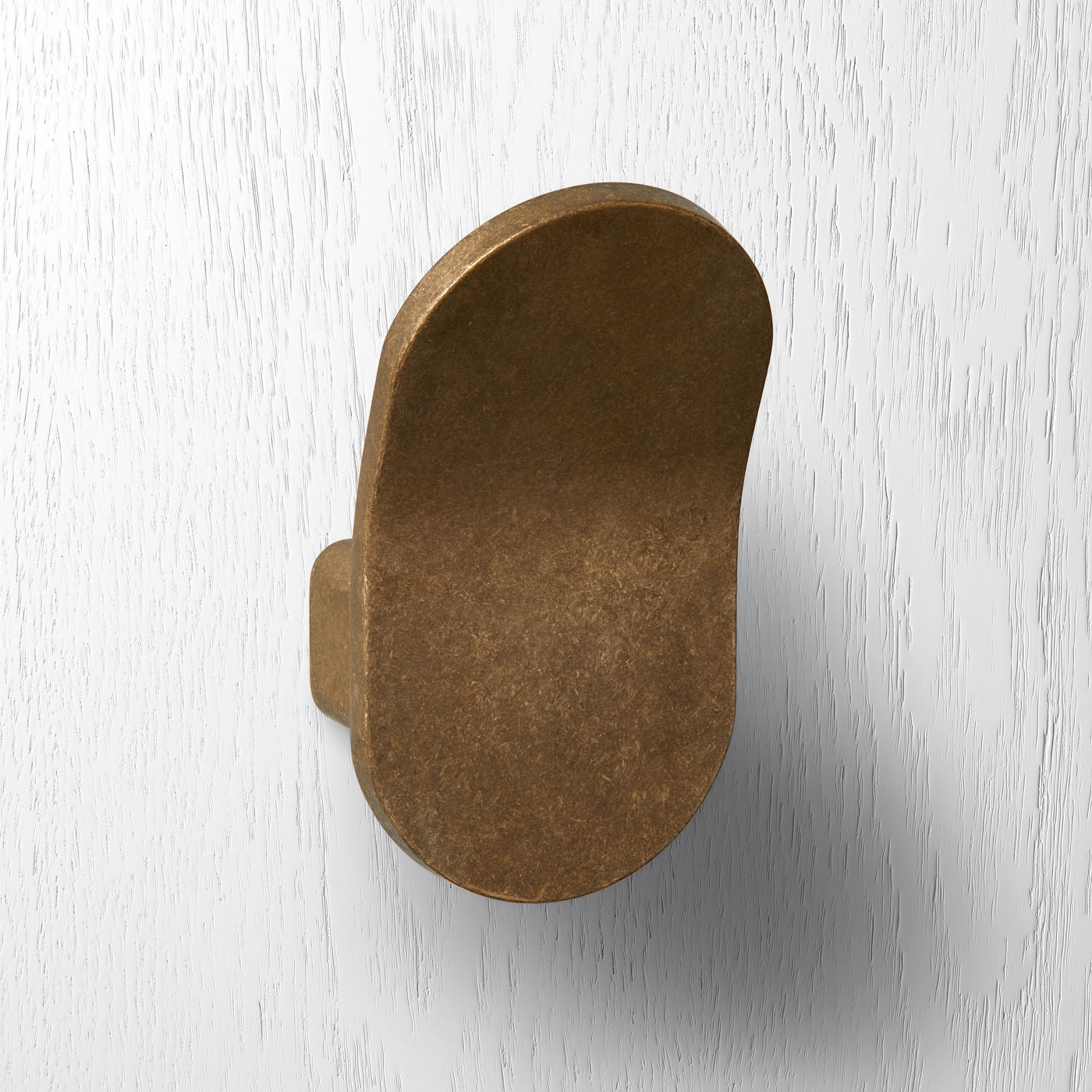
“Door hardware is equally important. Whether you’re working with a heritage home or a starkly contemporary space, the door furniture needs to support the overall design language.”
This philosophy informed every selection throughout Blue House.
Refined Tapware for Contemporary Bathrooms
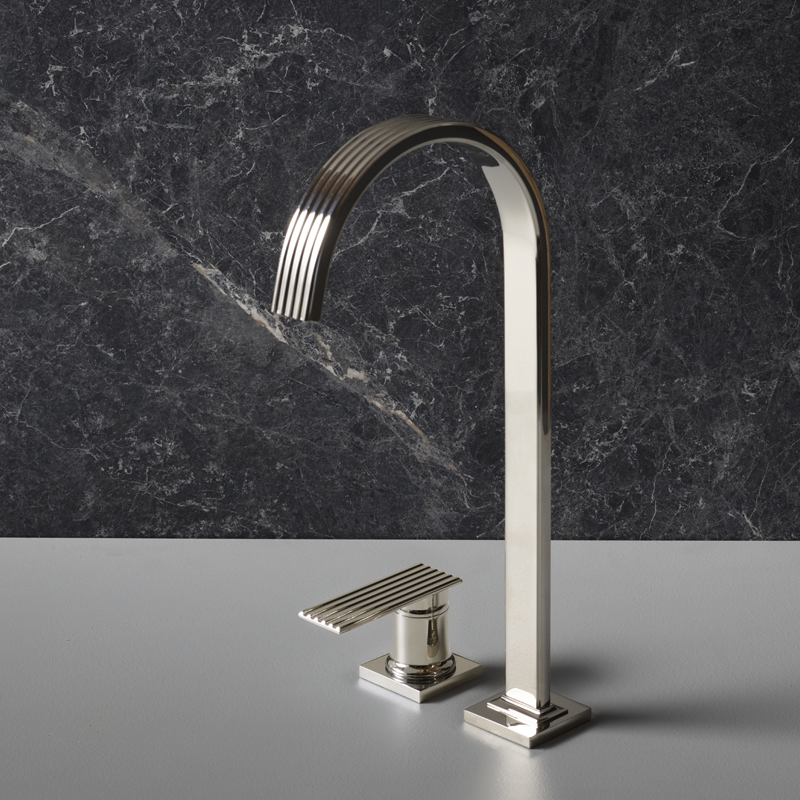
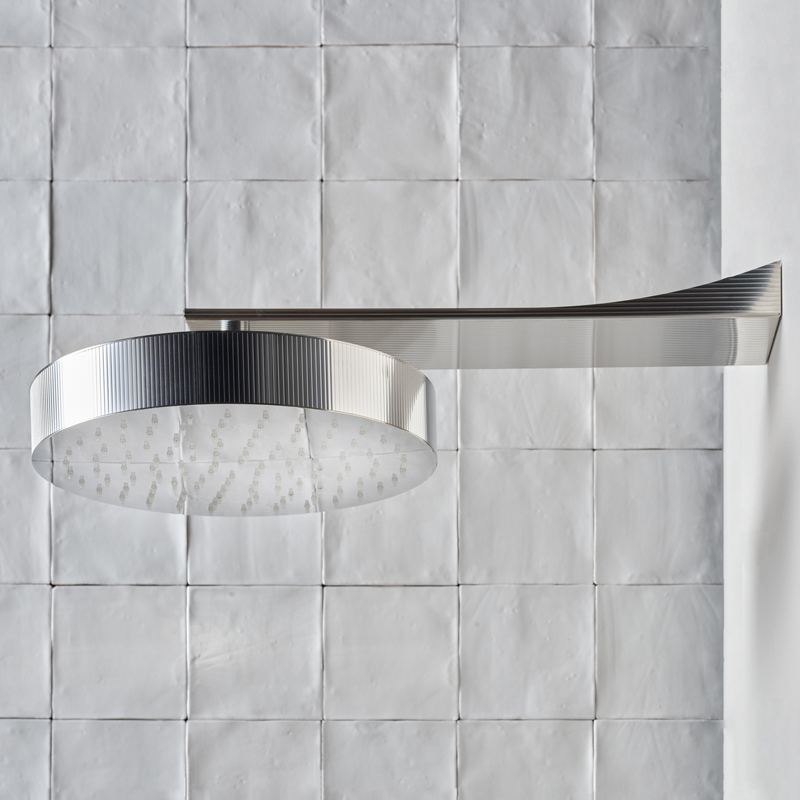
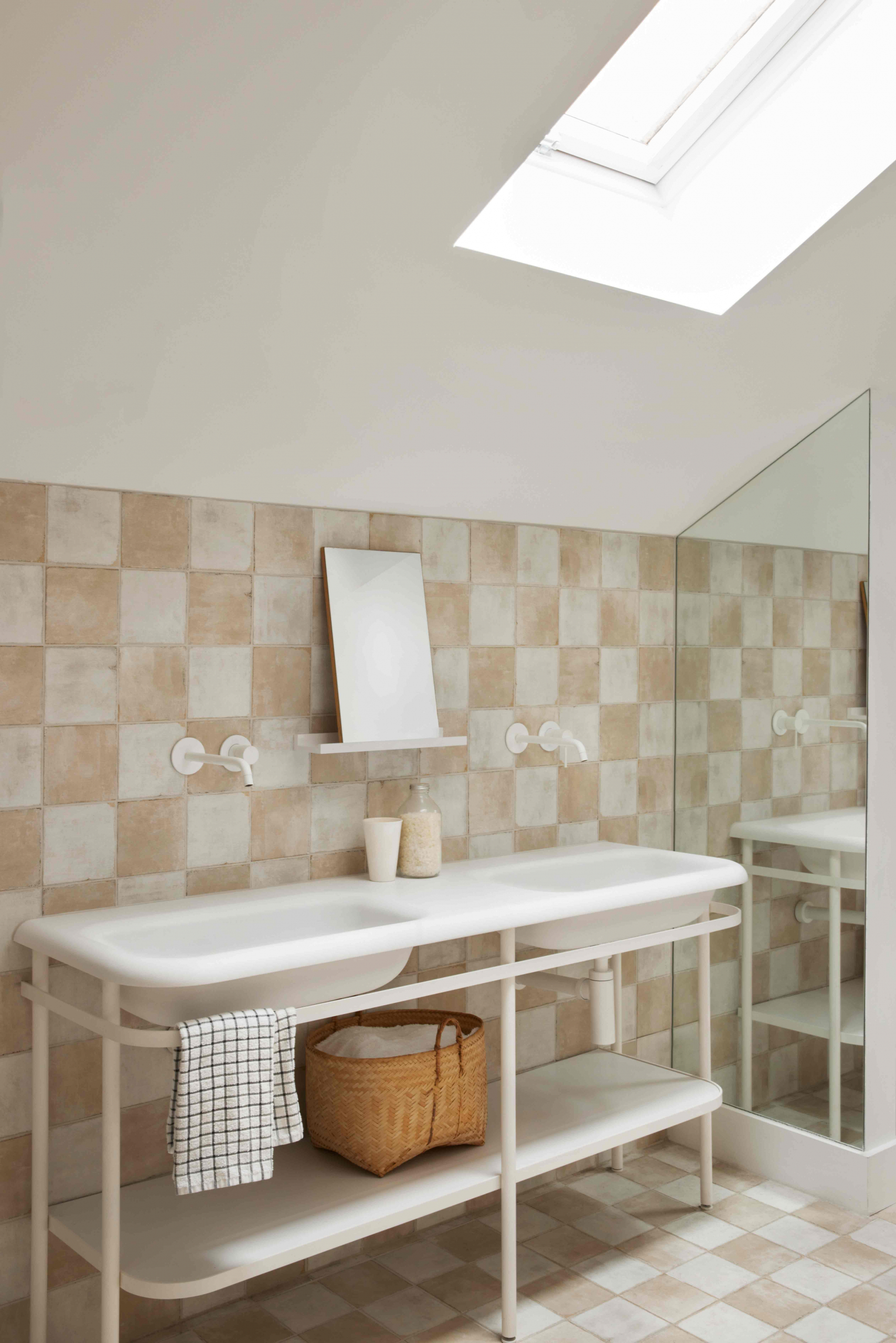
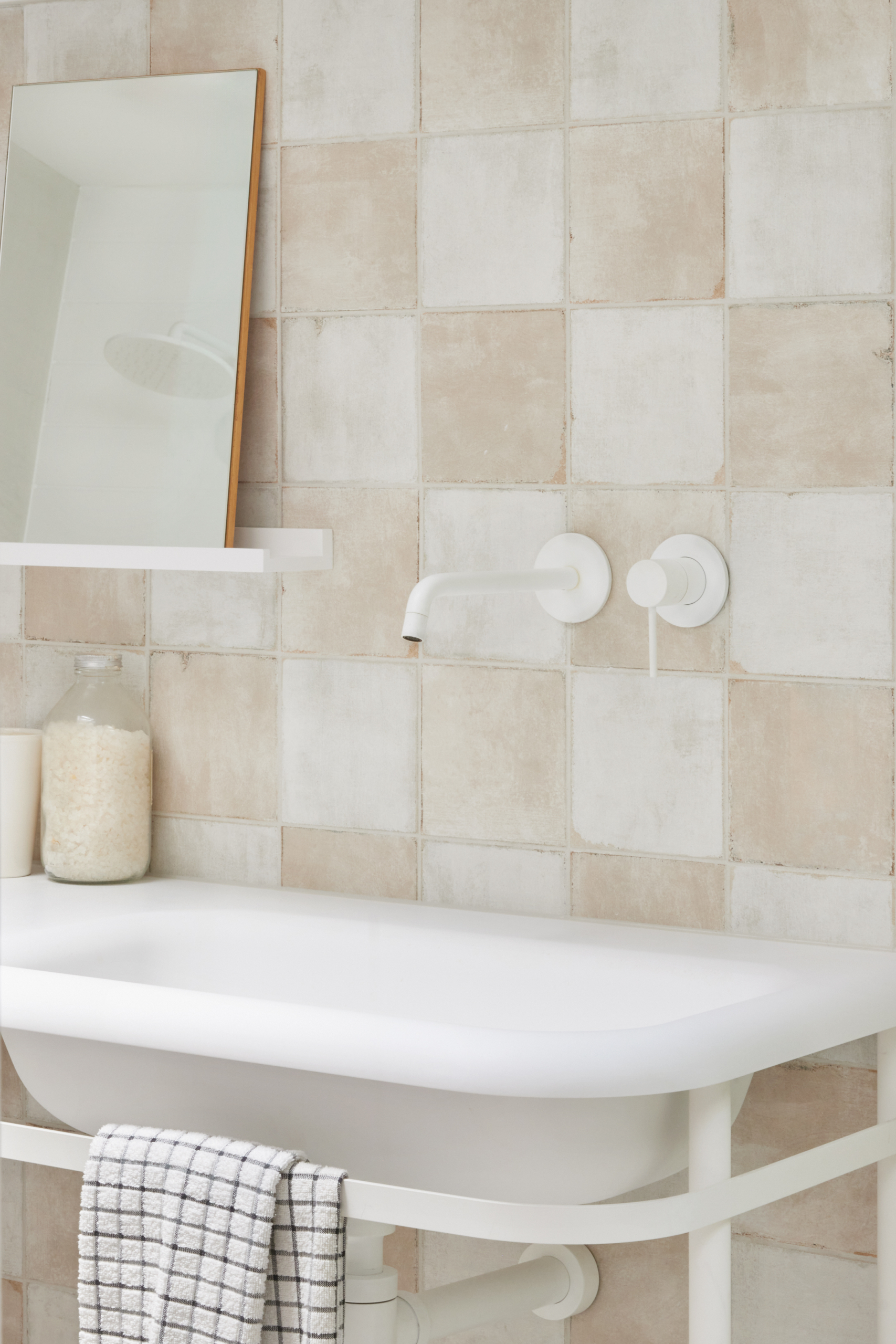
One of the defining selections for Blue House was Pittella’s new tapware collection. The bathrooms required a careful balance between heritage sensitivity and contemporary refinement. Carole selected Pittella’s white tapware finish to sit quietly within the space, allowing the architectural detailing and material palette to remain the focus.
“I wanted the tapware to sit gently within the space rather than dominate it,” she explains.
The result is a bathroom environment that feels calm, elegant and highly resolved. The crisp white finish introduces a contemporary layer while remaining sympathetic to the character of the original home.
Designed for Longevity
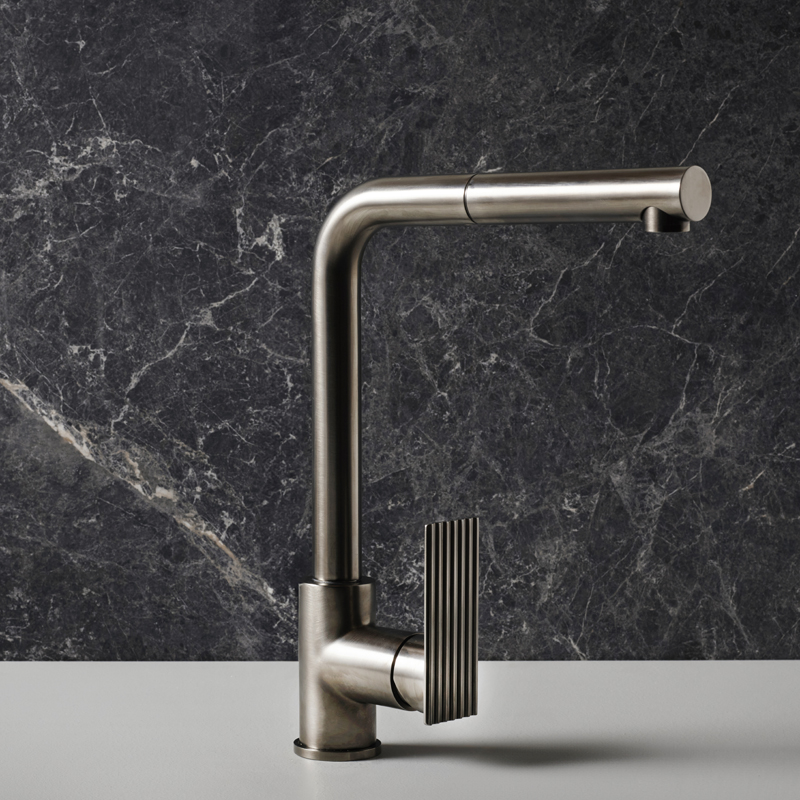
Throughout the remainder of the home, Carole selected satin nickel finishes for both the kitchen tapware and door hardware. In the bathroom white finishes were selected.
The decision was driven by a desire to create a home that would remain relevant and beautiful for decades to come.
“It never dates and I want this house to have longevity,” says Carole. “The door handles feel so comforting in the hand — they’re truly lovely.”
The understated finish complements both traditional and contemporary architectural elements, reinforcing the project’s overarching theme of balance.
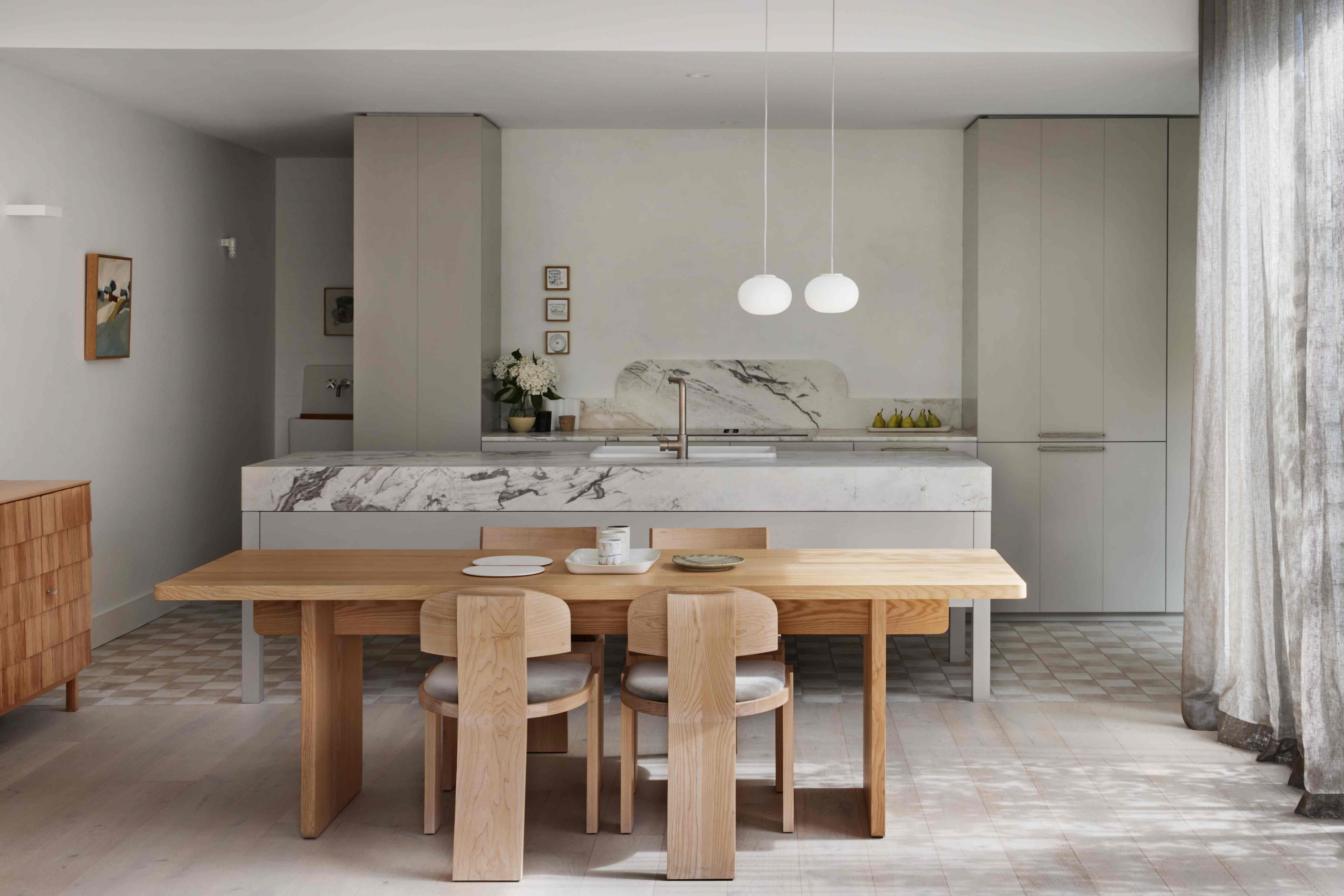
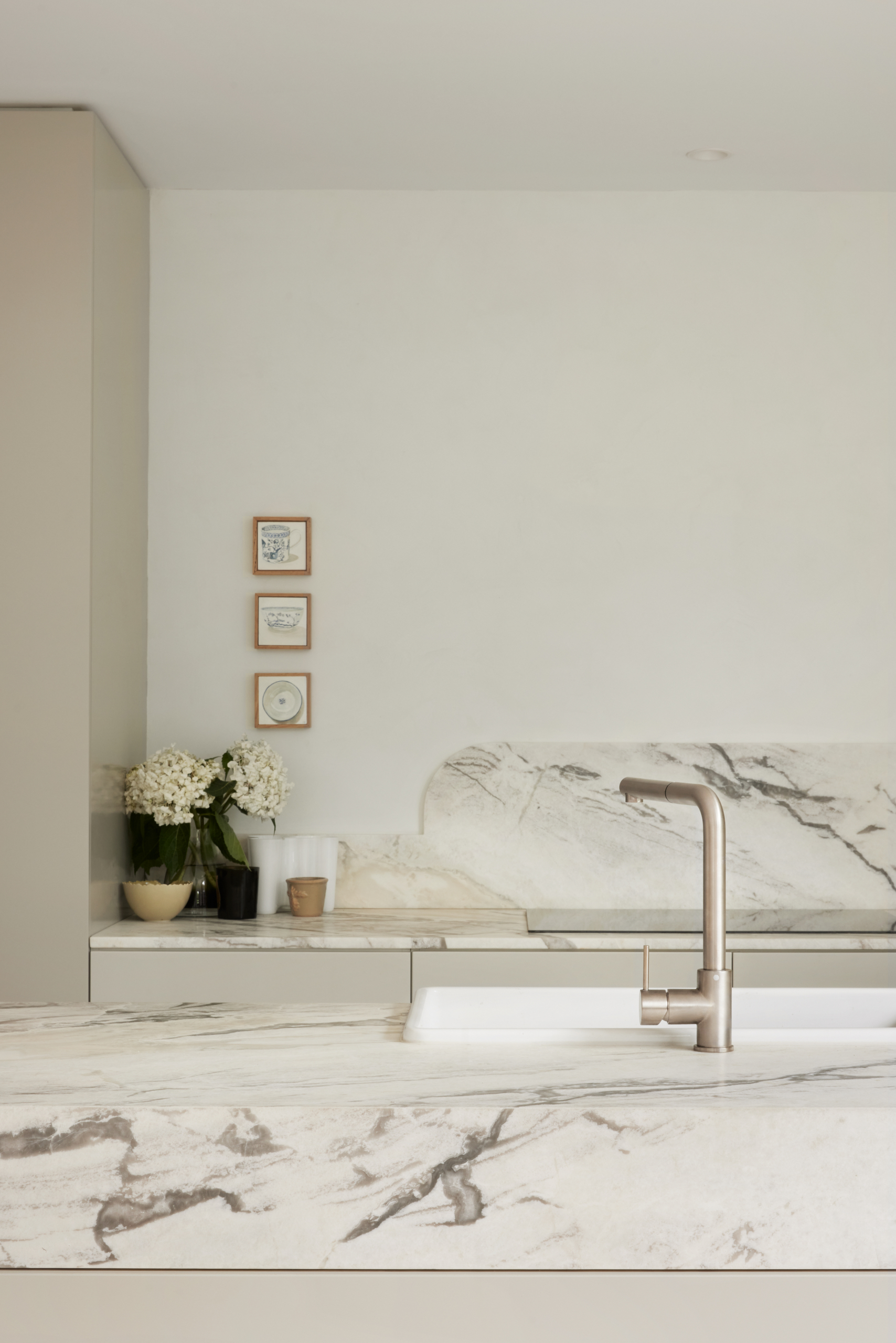
Up Plus Kitchen Tap, Satin Nickel from Pittella
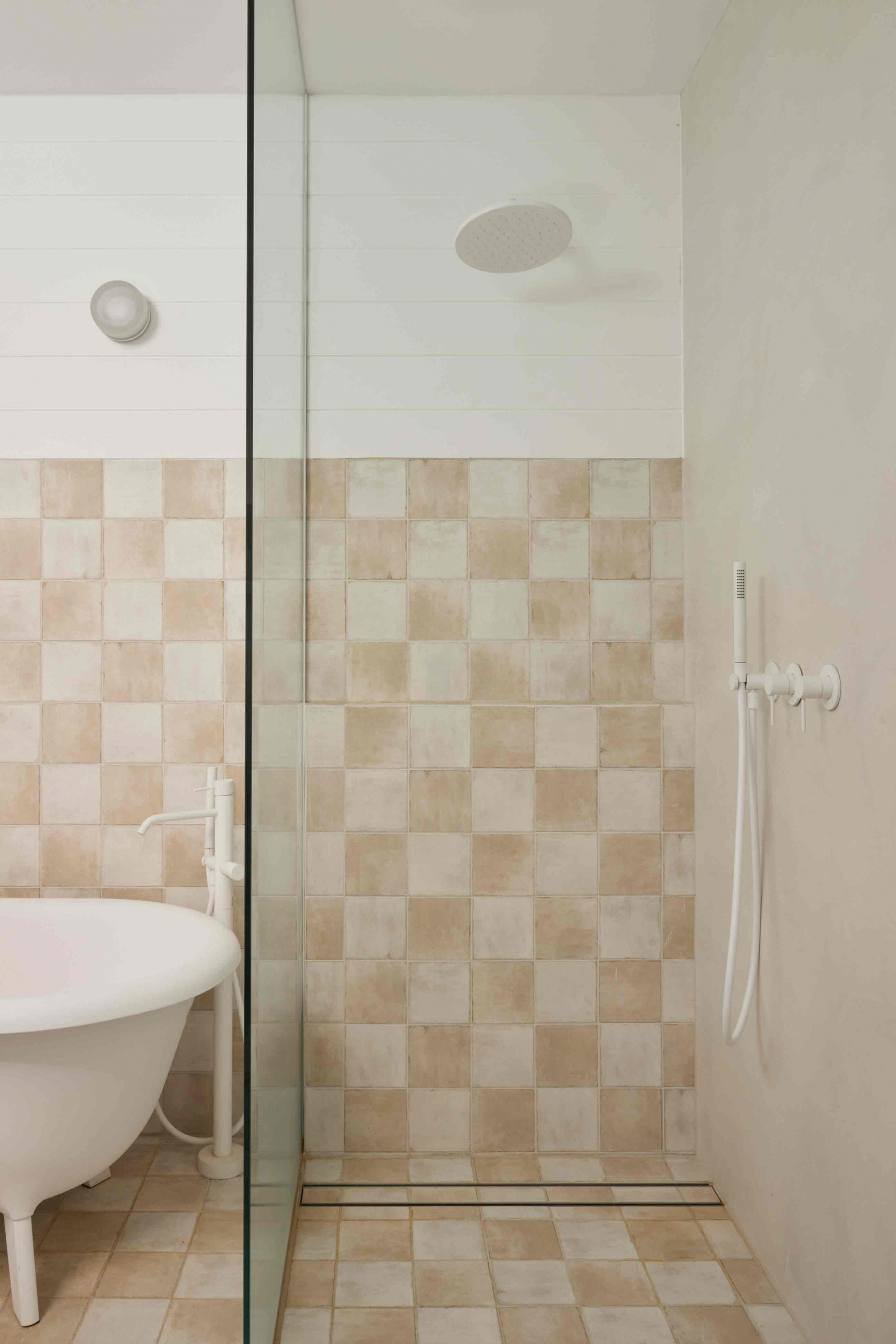
Up Plus Free Standing Bath Filler, Wall Shower Mixer and Hand Shower in White from Pittella
The Value of Collaboration
For Carole, specifying hardware is not simply about selecting products. It is about working with specialists who understand the technical and practical considerations behind every design decision.
Having worked with Pittella throughout much of her career, she values the collaborative process that occurs during specification and documentation.
“I’ve been working with Pittella for most of my career. They have a rare combination of quality, great aesthetics and exceptional customer service.”
During the development of Blue House, door arrangements evolved several times as the design progressed. Each revision required technical consideration to ensure the details would function exactly as intended.
“Pittella helps me solve problems on pretty much every project. They’re involved early in the process and are great at working through potential issues before construction starts.”
Living With Blue House
Ultimately, the success of Blue House is measured not by individual design elements, but by how the home is experienced every day.
For Carole, one space captures the essence of the project more than any other, “The window seat overlooking the birch grove has become a favourite spot. It’s where I sit to read, have a cup of tea, or simply pause for a moment.”.
Positioned at the intersection of the original cottage and the contemporary extension, it embodies everything Blue House represents: comfort, connection and calm. A place where heritage and modern living meet effortlessly.
Project Credits
Interior Design: Studio Whiting
Project: Blue House
Door Hardware & Tapware: Pittella
Photography: Fiona Storey


